

Why Talking About Mental Health Should Be Part of Everyday Wellness

For years, people have talked openly about fitness goals, nutrition, and physical health — but mental health has often been left out of the conversation. Many still see it as something private, uncomfortable, or only worth mentioning in crisis. The truth is, your mental well-being is just as essential to your health as your physical body — and it deserves the same daily attention and care.
Talking about mental health shouldn’t feel like an exception. It should be a natural, ongoing part of your overall wellness routine. Open conversations can help reduce stigma, strengthen relationships, and encourage people to seek help before stress turns into burnout or deeper challenges. Let’s explore why these discussions matter — and how Vital 110 makes it easier to prioritize your mental wellness every day.
The Mind-Body Connection: Why Mental Health Is Physical Health
When people think about “health,” they often picture physical symptoms — headaches, fatigue, or muscle tension. But many of those same issues can stem from stress, anxiety, or emotional strain. The body and mind are deeply connected. Chronic stress can weaken your immune system, disrupt sleep, raise blood pressure, and even slow digestion. Likewise, poor physical health can worsen anxiety or depression.
By treating mental health as a normal part of your wellness routine — alongside exercise, nutrition, and preventive care — you strengthen your entire system. You’re not just managing stress; you’re improving your ability to focus, build resilience, and handle life’s challenges with greater balance.
The Stigma Around Mental Health — and Why It’s Changing
For decades, mental health was surrounded by silence. People worried that admitting they were struggling might make them appear weak or unstable. But as awareness grows, so does understanding — and the conversation is finally shifting. Celebrities, athletes, and business leaders are speaking openly about therapy, burnout, and emotional health. And millions of everyday people are following their lead.
This cultural change is powerful. The more we talk about mental health, the more we normalize it — and the easier it becomes for others to seek help. It’s no different than seeing a doctor for a physical injury; caring for your mental health is an act of strength and self-awareness, not weakness.
Why Talking About Mental Health Matters
Bringing mental health into daily conversation benefits both individuals and workplaces. Here’s how:
1. It Encourages Early Intervention
When mental health is part of everyday dialogue, people feel more comfortable recognizing and discussing early signs of stress or anxiety. This leads to quicker action — whether that means taking a mental break, adjusting workload, or seeking professional help — before the problem escalates.
2. It Strengthens Relationships
Honest conversations build trust. When you share how you’re feeling, it gives others permission to do the same. In families, friendships, and workplaces, these discussions foster empathy and support. You never know who might be struggling silently until you create space for openness.
3. It Reduces Stigma and Shame
The more we normalize talking about mental health, the less power stigma holds. Sharing experiences helps break stereotypes and reminds everyone that mental health challenges are common and treatable. Open dialogue replaces shame with understanding — and that’s how real cultural change happens.
4. It Promotes Healthier Work Environments
In workplaces, open conversations about mental health create a foundation for psychological safety. Employees feel seen, supported, and valued as whole people — not just for their productivity. This leads to lower turnover, higher morale, and better collaboration. Healthy minds build stronger teams.
5. It Helps Everyone Realize They’re Not Alone
One of the most powerful aspects of talking about mental health is realizing how universal it is. Nearly everyone faces emotional ups and downs — stress, grief, anxiety, or burnout. When we acknowledge this collectively, it becomes easier to offer compassion instead of judgment, both to others and ourselves.
How to Make Mental Health Part of Your Everyday Wellness Routine
You don’t need a crisis to talk about your mental health. In fact, the best time to prioritize it is when things are going well. Here are simple ways to make it a consistent part of your daily routine:
1. Check in With Yourself Daily
Just as you might track your steps or water intake, take a moment each day to notice how you’re feeling. Are you tense? Tired? Overwhelmed? Acknowledging your emotions is the first step in managing them. Try journaling or rating your stress level from 1–10 to spot trends over time.
2. Normalize Talking About Feelings
Bring up mental health naturally in conversation — not just when something’s wrong. Ask friends or coworkers how they’re really doing. You might say, “It’s been a stressful week for me — how’s your stress level?” These small moments make mental wellness an ongoing part of everyday life.
3. Prioritize Rest and Recovery
Burnout often comes from ignoring mental fatigue. Schedule real downtime into your week — time that’s not tied to screens, productivity, or multitasking. Rest is not laziness; it’s maintenance for your mind and body.
4. Seek Support Without Waiting for a Breaking Point
Therapy and mental health support aren’t just for crises. They’re tools for growth, perspective, and emotional strength. Whether you’re facing ongoing stress or just want to improve your well-being, talking to a professional can make all the difference.
5. Use Workplace Wellness Resources
If your employer offers mental health resources — like Vital 110 — take advantage of them. Vital 110 provides no-cost virtual mental health visits and care navigation tools that make it easy to talk to professionals confidentially and conveniently. These services are designed to help you manage stress, prevent burnout, and feel supported every step of the way.
The Role of Empathy in Everyday Wellness
Empathy is at the heart of mental wellness. When you practice empathy — toward yourself and others — you create a foundation for meaningful connection. Empathy allows you to listen without judgment, offer understanding instead of advice, and recognize that everyone is fighting their own unseen battles.
Workplaces and communities built on empathy are not only healthier but more resilient. They encourage teamwork, trust, and creativity — all by valuing the human experience as much as performance metrics.
How Vital 110 Supports Mental and Emotional Health
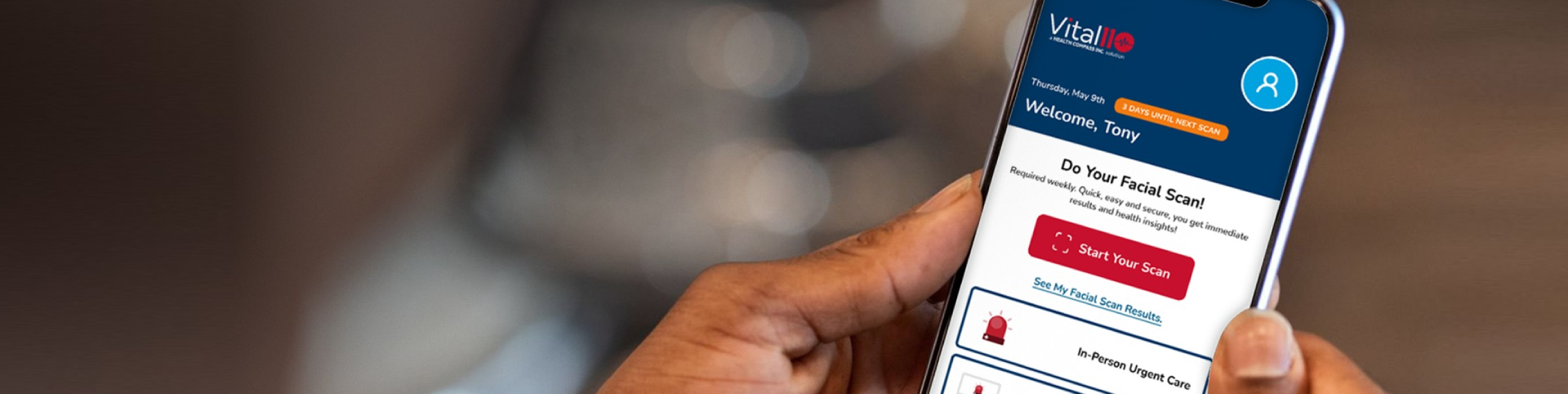
Vital 110 makes mental wellness accessible to everyone. Through the app, users can connect with no-cost virtual mental health professionals, schedule care visits, and access personalized wellness tools that fit into their everyday lives. Whether you’re looking to manage stress, improve focus, or simply talk to someone, Vital 110 ensures help is always within reach — no waiting rooms, no barriers, no stigma.
With built-in preventive care and health tracking, Vital 110 empowers you to take charge of both your physical and emotional well-being. It’s health simplified — so you can focus on what truly matters: feeling your best every day.
A Health Compass Inc. Solution
Vital 110 is a proud Health Compass Inc. solution, dedicated to transforming how people experience healthcare. By combining modern technology with compassionate care, Health Compass Inc. and Vital 110 help individuals access the resources they need to thrive — mind and body, together.
Let’s Keep the Conversation Going
Talking about mental health isn’t a one-time event — it’s a habit that builds stronger, healthier lives. Every conversation helps break stigma, spread understanding, and create a culture where well-being is the standard, not the exception.
You don’t need to have all the answers to start the conversation — you just need to care enough to ask, listen, and share. And when you do, you’ll find that the simple act of talking can be one of the most powerful forms of healing.
Ready to take the next step in your wellness journey? Contact Vital 110 today to learn how to access no-cost mental health care, virtual primary care, and wellness tools that help you feel better — one conversation at a time.
‹ Back
Recent Posts
-

-

Seasonal Mood Shifts: Recognizing and Managing the Early Signs of Fall Blues
September 30, 2026
-
Flu Shot Facts: What to Know Before This Year's Season
September 28, 2026
-

The Fall Reset: Easing Back Into Healthy Routines After Summer
September 21, 2026
-

Your Fall Preventive Care Checklist: Screenings and Checkups Not to Skip
September 14, 2026