


Hydration 101: How Much Water Do You Actually Need Each Day?
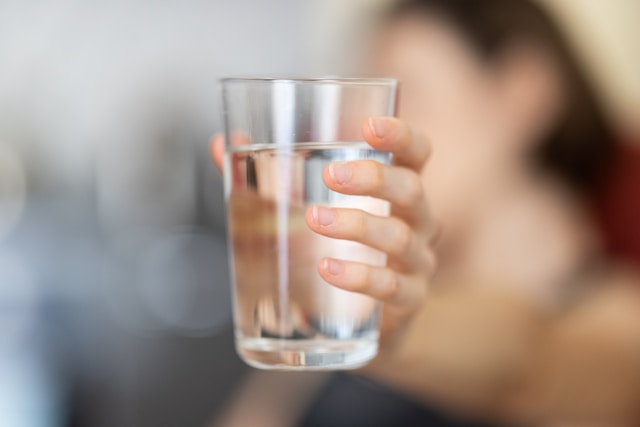
Water is the most essential nutrient your body needs — more immediate than food, more critical than any supplement. And yet most Americans are chronically mildly dehydrated without realizing it. Not severely dehydrated, but operating at a level of fluid deficit that quietly affects their energy, concentration, digestion, mood, and physical performance every single day.
The "8 glasses a day" rule is one of the most repeated pieces of health advice out there — and one of the least accurate. The reality of hydration is more nuanced, more personal, and frankly more interesting than a simple number. Here's what you actually need to know.
Why Water Matters So Much
Your body is roughly 60% water, and virtually every system in it depends on adequate hydration to function properly. Water regulates body temperature through sweat and respiration. It transports nutrients and oxygen to cells. It cushions joints and protects organs. It flushes waste products through the kidneys. It supports digestion and keeps the mucosal linings of your respiratory and digestive tracts healthy. It's even essential for clear thinking — the brain is particularly sensitive to hydration status.
When you're even mildly dehydrated — a fluid loss of just 1–2% of body weight — measurable declines in cognitive performance, mood, and physical endurance begin to occur. Studies have found that mild dehydration increases perception of task difficulty, impairs working memory, and elevates feelings of anxiety and fatigue. These effects show up before most people feel noticeably thirsty, which is part of why chronic mild dehydration is so common and so underappreciated.
So How Much Do You Actually Need?
The National Academies of Sciences, Engineering, and Medicine recommends a total daily water intake of about 3.7 liters (125 ounces) for men and 2.7 liters (91 ounces) for women. Importantly, this includes water from all sources — beverages and food — not just plain water. About 20% of daily water intake typically comes from food, particularly fruits and vegetables.
That leaves a daily beverage target of roughly 3 liters (about 13 cups) for men and 2.2 liters (about 9 cups) for women as a general baseline. But this is exactly that — a baseline. Your actual needs vary considerably based on a number of factors.
Factors That Increase Your Water Needs
Physical activity
Exercise increases water loss through sweat and respiration significantly. For moderate exercise lasting less than an hour, an additional 1.5–2.5 cups of water is a reasonable guideline. For longer or more intense sessions — or exercise in hot weather — losses can be much greater and may require electrolyte replacement as well as fluids.
Climate and environment
Hot or humid weather increases sweat production and therefore fluid needs. Air-conditioned or heated indoor environments can also increase fluid loss through respiration, even without obvious sweating. People living in or visiting high-altitude environments also need more water, as altitude increases both respiration rate and urine output.
Body size
Larger bodies contain more water and generally require more fluid to maintain proper hydration. This is one reason the standard daily recommendations are averages rather than precise targets — a 250-pound man and a 130-pound woman have very different baseline needs.
Pregnancy and breastfeeding
Pregnant women need approximately 10 cups of fluid per day; breastfeeding women need around 13 cups. These are substantially higher than standard recommendations and are important for both maternal health and infant nutrition.
Illness
Fever, vomiting, and diarrhea all cause rapid fluid and electrolyte losses that need to be actively replaced. During illness, plain water may not be enough — electrolyte solutions or broths are often more effective for rehydration.
Certain medications
Some medications, including diuretics, certain blood pressure medications, and some antidepressants, affect fluid balance and may increase hydration needs. If you take medications regularly, it's worth asking your provider whether they affect your fluid requirements.
Does Coffee and Tea Count?
Good news for coffee and tea drinkers: yes, caffeinated beverages count toward your daily fluid intake. While caffeine is a mild diuretic, the fluid in coffee and tea more than offsets the diuretic effect for most people. Research has consistently shown that moderate coffee and tea consumption contributes positively to overall hydration status.
That said, alcohol is a different story. Alcohol suppresses the hormone that signals the kidneys to retain water, leading to increased urine output and net fluid loss. Drinking alcohol without adequate water is a reliable path to dehydration, which is a significant contributor to hangover symptoms.
How to Tell If You're Drinking Enough
The simplest and most reliable indicator of hydration status isn't a formula — it's your urine color. Pale yellow (like lemonade) indicates good hydration. Dark yellow or amber (like apple juice) suggests dehydration. Completely clear urine may indicate overhydration, which is less common but can occur and carries its own risks.
Thirst is also a signal worth paying attention to — but it's a lagging indicator. By the time you feel thirsty, you're already mildly dehydrated. Relying on thirst alone, especially during exercise or hot weather, isn't sufficient. Building consistent hydration habits throughout the day is more effective than drinking reactively when thirst kicks in.
Practical Tips for Drinking More Water
- Start your day with water. Drink a full glass before coffee, before checking your phone, before anything else. After 7–8 hours without fluids, your body is ready for it.
- Keep water visible. A glass or bottle on your desk, counter, or table dramatically increases how much you drink simply through proximity and visibility.
- Drink before meals. A glass of water before each meal is an easy habit that adds up to 3 cups a day and also supports better portion control.
- Flavor it if plain water bores you. A squeeze of lemon, a few slices of cucumber, or a sprig of mint makes water significantly more appealing without adding meaningful calories or sugar.
- Eat more water-rich foods. Cucumbers, celery, watermelon, strawberries, oranges, and leafy greens are all over 90% water and contribute meaningfully to hydration alongside their nutritional benefits.
- Use a large water bottle. A 32-ounce bottle means you only need to refill it twice to hit a solid daily target. Tracking by bottle is often easier than counting cups.
Can You Drink Too Much Water?
It's rare, but yes — overhydration is possible and can be dangerous. Drinking excessive amounts of water in a short period can dilute sodium levels in the blood, causing a condition called hyponatremia. This is most commonly seen in endurance athletes who drink large amounts of plain water during prolonged exercise without replacing electrolytes. For most people going about their normal daily lives, drinking to thirst and targeting roughly 8–12 cups of fluids per day is safe and appropriate.
The Bottom Line
Hydration isn't complicated, but it does require intention. Most people underdrink — not dramatically, but consistently enough that their energy, focus, and physical performance are subtly impaired. Aim for pale yellow urine as your daily target, build a few simple habits around drinking water throughout the day, and pay attention to how much more clearly you think and how much better you feel when you're consistently well-hydrated. The difference is real.
For more health and wellness resources, visit Vital 110 — a healthcare initiative from Health Compass Inc. dedicated to making everyday health more accessible.
‹ Back
Recent Posts
-

Seasonal Mood Shifts: Recognizing and Managing the Early Signs of Fall Blues
September 30, 2026
-
Flu Shot Facts: What to Know Before This Year's Season
September 28, 2026
-

The Fall Reset: Easing Back Into Healthy Routines After Summer
September 21, 2026
-

Your Fall Preventive Care Checklist: Screenings and Checkups Not to Skip
September 14, 2026
-
Building a Stronger Immune System Before Cold and Flu Season
September 7, 2026