


Eating with the Season: Making the Most of Summer Fruits and Vegetables
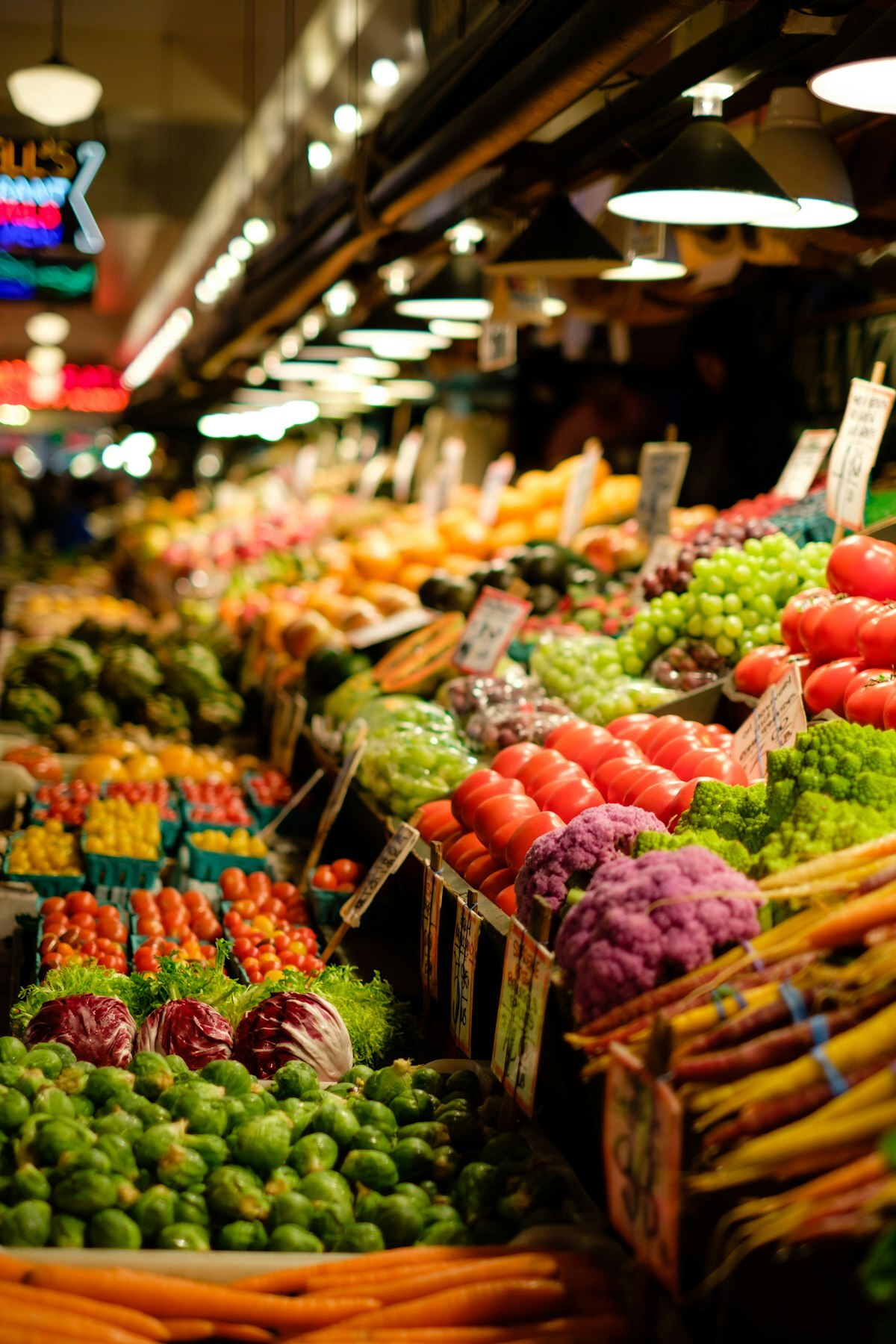
There is something special about biting into a sun-warmed tomato or a perfectly ripe peach in the middle of summer. Beyond just tasting better, produce that is in season is often at its nutritional peak, more affordable, and easier to find at its freshest.
If you have been looking for a simple way to eat a little healthier, leaning into summer's abundance is one of the most enjoyable places to start. Here is why seasonal eating is worth your attention and how to make the most of what summer has to offer.
Why Eating with the Season Pays Off
Choosing produce that is in season is not just a trendy idea. It comes with real, everyday benefits.
- Better flavor. Fruits and vegetables harvested at their peak and eaten soon after simply taste better, which makes you more likely to enjoy and keep eating them.
- More nutrients. Produce can lose some of its nutritional value the longer it sits and travels. Seasonal, locally grown options often reach you sooner.
- Lower cost. When something is plentiful, it usually costs less, so summer is a great time to fill your cart with colorful options without stretching your budget.
- Natural variety. Eating with the season nudges you to rotate different foods throughout the year, which helps you get a wider range of nutrients.
Summer Produce Worth Celebrating
Summer offers a generous spread. Here are some standouts and what makes them good for you.
Berries
Strawberries, blueberries, raspberries, and blackberries are loaded with vitamin C and antioxidants. They are naturally sweet, which makes them an easy swap for sugary snacks and a perfect topping for yogurt or oatmeal.
Tomatoes
Summer tomatoes are a world apart from the pale ones available in winter. They provide vitamin C, potassium, and lycopene, a compound that has drawn interest for heart health. Enjoy them raw to keep their fresh flavor front and center.
Zucchini and summer squash
Mild, versatile, and low in calories, zucchini delivers fiber, vitamin C, and potassium. It works in countless dishes, from quick saute pans to raw ribbons in a salad.
Stone fruit
Peaches, plums, nectarines, and cherries arrive in summer with vitamins, fiber, and plenty of natural sweetness. They make a satisfying snack on their own or a simple dessert.
Leafy greens and melon
- Leafy greens like spinach and lettuce offer vitamins A, C, and K along with folate and fiber, and they form a hydrating base for warm-weather meals.
- Melon such as watermelon and cantaloupe is mostly water, which makes it a refreshing way to stay hydrated while getting vitamins and a touch of natural sweetness.
Simple Ways to Eat More
You do not need to overhaul your kitchen to enjoy more summer produce. Small, doable habits add up.
- Keep a bowl of washed berries or cut melon at eye level in the fridge so it is the first thing you reach for.
- Add a handful of greens to dishes you already make, like sandwiches, eggs, or pasta.
- Blend fruit into a smoothie for an easy breakfast or snack.
- Aim to fill half your plate with fruits and vegetables at meals.
- Grill vegetables alongside whatever else you are cooking outdoors for an effortless side.
If you have specific health goals, a chronic condition, or questions about how to balance your diet, it can help to talk things through with a professional. You can reach out to the Vital 110 team for guidance tailored to your needs.
Make produce last longer
One reason fruits and vegetables go to waste is that they spoil before we get around to eating them. A few storage habits help you stretch your summer haul. Store berries unwashed and rinse them only right before eating, since extra moisture speeds spoilage. Keep tomatoes on the counter rather than the fridge to protect their flavor and texture. Trim and store leafy greens with a dry paper towel to absorb moisture, and tuck stone fruit somewhere visible so it gets eaten while ripe. When food stays fresh, you are far more likely to enjoy it instead of tossing it.
Visiting the Farmers Market
A farmers market is one of the best ways to connect with seasonal eating. The produce is often picked within a day or two, which means peak freshness and flavor.
- Go early for the best selection, or later for possible end-of-day deals.
- Ask the growers what is at its peak that week and how they like to prepare it.
- Bring a reusable bag and a little cash to make checkout easy.
- Try one new item each visit to keep your meals interesting.
Beyond the food, markets are a pleasant way to spend a morning, support local growers, and discover varieties you will not always find at the store.
Easy No-Cook Meal Ideas
When it is hot, the last thing you may want to do is turn on the oven. Summer produce shines in fresh, no-cook meals that come together fast.
- Tomato and cucumber salad with a drizzle of olive oil, a splash of vinegar, and a pinch of salt.
- Yogurt bowl topped with berries, stone fruit, and a sprinkle of nuts or seeds.
- Big leafy green salad with whatever vegetables you have on hand, plus a protein like beans or leftover chicken.
- Watermelon and feta with a few fresh herbs for a sweet and savory combination.
- Veggie wraps filled with greens, sliced tomato, and zucchini ribbons.
These take minutes to assemble, keep your kitchen cool, and let the natural flavor of the ingredients do the work.
The Bottom Line
Eating with the season is a simple, rewarding way to enjoy better flavor, more nutrients, and lower grocery bills all at once. Summer makes it especially easy, with berries, tomatoes, zucchini, stone fruit, leafy greens, and melon all at their best. Fill half your plate with produce, explore a farmers market, and lean on quick no-cook meals to make the most of the season.
Have questions about your health or want to talk with a provider? Contact the Vital 110 team to get started. Vital 110 is a healthcare initiative from Health Compass Inc., dedicated to making everyday health more accessible.
‹ Back
Recent Posts
-

Your Fall Preventive Care Checklist: Screenings and Checkups Not to Skip
September 14, 2026
-
Building a Stronger Immune System Before Cold and Flu Season
September 7, 2026
-

-

Staying Active in the Heat: Joint-Friendly Ways to Keep Moving
August 24, 2026
-