


Falling Back: How to Protect Your Sleep When Daylight Saving Time Ends
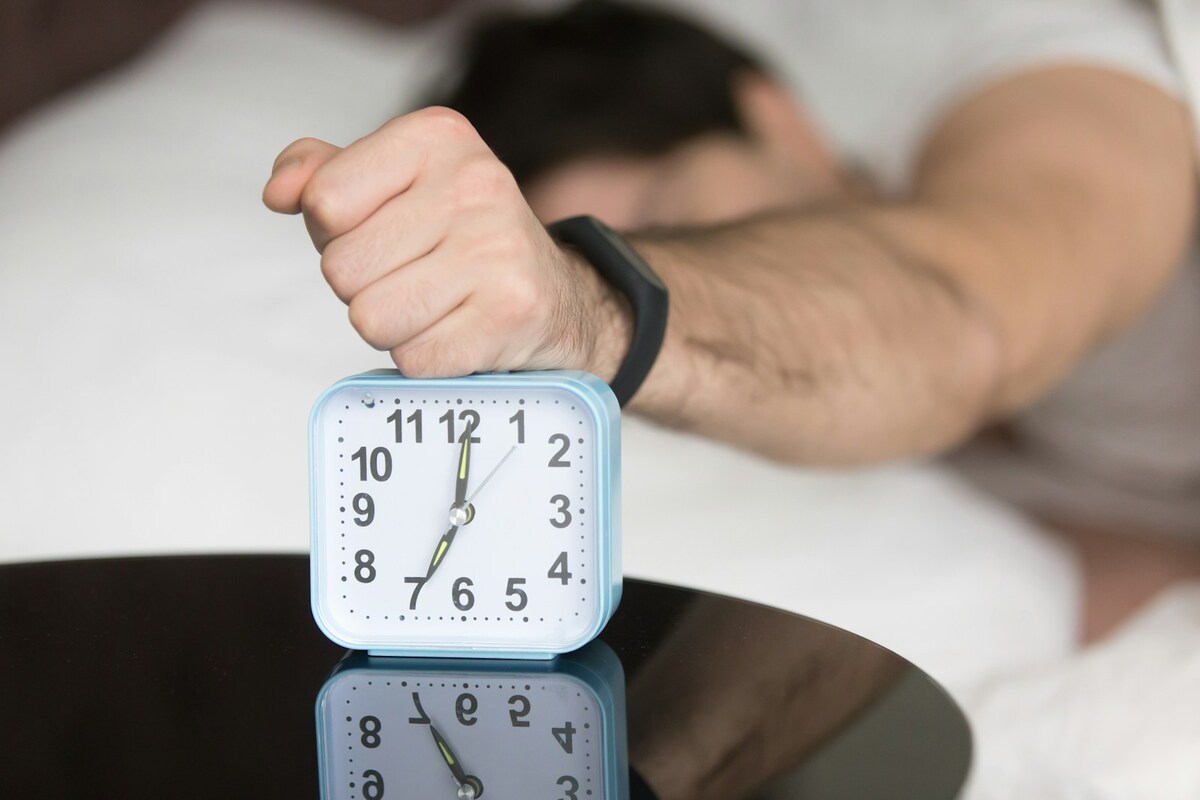
This coming weekend brings something that rarely comes along: an extra hour. Daylight saving time ends on Sunday, November 1, 2026, at 2:00 a.m., when clocks in most of the U.S. go back one hour. For many people, that sounds like a bonus hour of sleep, and for some it will be.
Still, even a one-hour shift can throw off your internal clock for a few days, and the sudden arrival of dark evenings can leave you feeling sluggish or out of sync. This guide focuses on the time change itself: why it can affect you, how to adjust gradually, how to help kids and pets through it, how to stay safe during darker commutes, and when sleep trouble deserves a closer look.
Why Gaining an Hour Can Still Feel Off
Falling back is usually easier than springing forward in the spring, when you lose an hour. But your body runs on an internal clock, often called your circadian rhythm, that is closely tied to light and daily routines. When the clock on the wall changes overnight, your internal clock needs some time to catch up. Here is what many people notice in the days after the change:
- Earlier sunrise: Morning light arrives earlier by the clock, which can nudge you awake before your alarm.
- Much earlier darkness: Evenings get dark soon after the workday ends, which can make you feel tired early or low on energy.
- Early risers waking "too early": Kids and pets do not read clocks, so a child who usually wakes at 6:30 may suddenly be up and ready to go at 5:30.
- Shifts in mood: Less daylight after work can leave some people feeling a bit flat as the season settles in.
How to Adjust Gradually
The simplest strategy is to ease into the new time rather than expecting your body to switch all at once.
Shift your schedule in small steps
In the days leading up to the change, try moving your bedtime about 15 minutes later every day or two. Shift your meals by about the same amount, since mealtimes also help set your internal clock. By the time Sunday arrives, your routine will already be closer to the new schedule. If you did not get a head start, you can make the same small adjustments in the days after the change.
Keep your wake time steady
A consistent wake time is one of the most powerful anchors for your internal clock. Once the clocks change, try to get up at the same time each day, including on weekends, even if you feel the urge to sleep in or wake early.
Use light to your advantage
Light is the strongest signal your body uses to set its clock, so a few simple habits can make a big difference:
- Get bright light in the morning. Open the curtains, step outside, or eat breakfast near a window soon after you wake up.
- Get outside at midday. With darker evenings, a lunchtime walk may be your best chance to soak up daylight.
- Dim the lights in the evening. Lower overhead lights and turn down screen brightness in the hour or two before bed.
Watch naps, caffeine, and alcohol
Early darkness can make a late-afternoon nap tempting, but long naps late in the day can make it harder to fall asleep at night. If you do nap, keep it short and earlier in the day. Keep caffeine to earlier in the day as well. And although alcohol might make you feel drowsy, it tends to fragment sleep later in the night, leaving you less rested.
Helping Kids, Pets, and Others Adjust
Kids
Children often adjust best gradually. Several days before the change, try moving bedtime, naps, and meals about 15 minutes later every day or two. Room-darkening curtains can help if early morning light is waking them. For early wakers, quiet play in their room until a set time can help everyone adjust.
Pets
Pets run on routine too, and they will likely expect breakfast and walks at the old time. Shifting feeding and walk times a little each day, rather than all at once, can help them settle in with less early morning pacing.
Older adults and shift workers
Older adults may notice the change more, partly because sleep often becomes lighter and more easily disrupted with age. Shift workers, who are already managing irregular schedules, may also find the change harder. Both groups can benefit from the gradual approach and steady light habits above. If you take medications on a set schedule or manage a health condition tied to the time of day, talk with the Vital 110 team or your provider about how to handle the switch.
Stay Safe in the First Days After the Change
The first few days after a time change can bring extra drowsiness while your body adjusts, and the evening commute suddenly happens in the dark. Both can affect safety on the road, whether you are driving, walking, or biking.
- Do not drive drowsy. If you feel sleepy behind the wheel, pull over somewhere safe to rest, or ask someone else to drive.
- Make yourself visible. If you walk or bike, wear bright or reflective clothing and carry a flashlight or use a light.
- Drive with extra care at dusk. Slow down in neighborhoods, watch closely for pedestrians and cyclists, and make sure your headlights are clean and working.
- Cross carefully. Use crosswalks and make eye contact with drivers when you can.
If you have a long drive planned in the days right after the change, try to get a full night of sleep beforehand and plan breaks along the way. And if you walk a dog after dark, a reflective collar or leash helps drivers see your pet too.
A Handy Seasonal Reminder: Check Your Detectors
Changing the clocks is a great time to test your smoke and carbon monoxide detectors. Press the test button on each one, replace batteries as needed, and check the manufacturer's guidance on when the unit itself should be replaced. With heating season getting underway, carbon monoxide detectors are especially important. It is also a good moment to make sure everyone in your household knows how to get out safely if an alarm sounds. If a carbon monoxide alarm goes off, get everyone outside into fresh air right away and call 911.
When to See a Provider
Most people settle into the new schedule within a few days. Adults generally need at least 7 hours of sleep a night, and it is normal to feel a little off at first. But if sleep problems linger well after the time change, talk with a healthcare provider, especially if you notice:
- Ongoing insomnia, such as trouble falling or staying asleep on most nights
- Loud snoring, gasping, or pauses in breathing during sleep
- Persistent daytime sleepiness, even when you are spending enough time in bed
- Low mood or low energy that does not lift as you adjust
These can be signs of a sleep disorder or another health issue worth checking, and many are very treatable.
The Bottom Line
The end of daylight saving time gives you an extra hour, but your body may still need a few days to catch up. Ease into the change by shifting bedtime and meals in small steps, keep your wake time steady, get bright light in the morning and daylight at midday, and go easy on late naps, caffeine, and alcohol. Take extra care on darker commutes, test your smoke and carbon monoxide detectors, and reach out to a provider if sleep trouble does not settle.
Have questions about your health or want to talk with a provider? Contact the Vital 110 team to get started. Vital 110 is a healthcare initiative from Health Compass Inc., dedicated to making everyday health more accessible.
‹ Back