

A Healthier Halloween: Keeping Candy in Balance for Kids and Grown-Ups
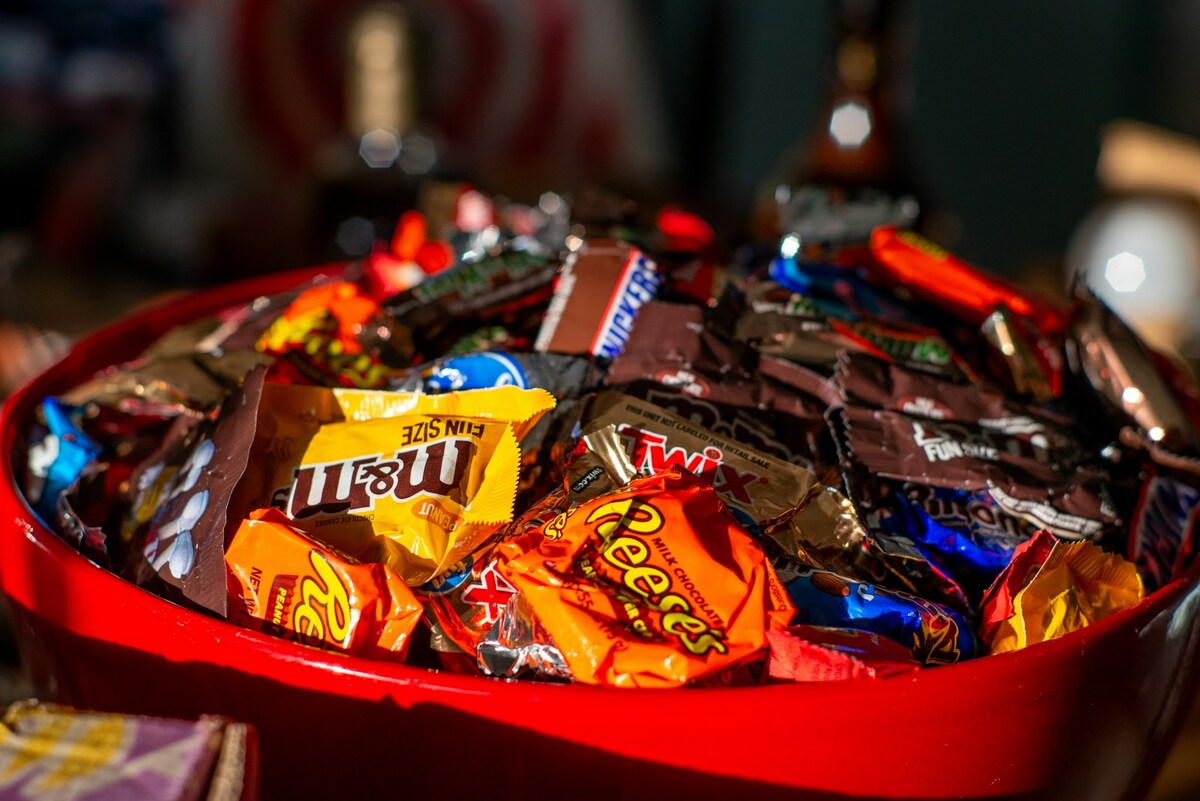
Halloween falls on a Saturday this year, which means more time for costumes, parties, and, of course, candy. For many families, the candy is half the fun. It can also bring a little worry: How much is too much? What do you do with a pillowcase overflowing with treats? And how do you avoid grazing from the office candy bowl every afternoon for the next two weeks?
The good news is that you do not need to ban candy to keep things healthy. A little planning and a balanced mindset usually work better than strict rules. This guide offers practical ways to enjoy the holiday, protect your teeth, keep trick-or-treaters safe, and help the whole family, grown-ups included, keep treats in perspective.
Why Balance Beats Restriction
Strict rules around candy can backfire. When sweets are completely off-limits, they can seem even more exciting, and kids may sneak them or overdo it when they get the chance. Treating candy as a normal food that has a place in reasonable amounts can help children build a healthier, calmer relationship with sweets over time.
Avoid using candy as a reward or punishment
Offering candy for good behavior, or taking it away as a consequence, can make sweets seem more valuable and tie food to emotions. Instead, try praise, a sticker, extra playtime, or a special activity together. That way, candy stays what it is: a treat to enjoy, not a prize to earn.
Make a Plan Before You Head Out
Eat a real meal first
Serve a balanced dinner before trick-or-treating, ideally with some protein, vegetables, and whole grains. Kids who head out hungry are more likely to snack their way down the block, while a full stomach makes it easier to enjoy a few pieces without going overboard. The same goes for adults heading to a Halloween party.
Agree on a candy plan together
Talking through a plan ahead of time helps avoid arguments later and gives kids a sense of control. A simple approach might look like this:
- Let kids sort their haul and pick out their favorites
- Agree on a few pieces a day rather than an all-you-can-eat free-for-all
- Serve candy with meals or snacks instead of on its own throughout the day
- Decide together what happens to the extras
Donate or trade the extras
Once the favorites are set aside, the rest does not have to stay in the house. Some dental offices run candy buyback programs, and some families let kids trade candy for a small toy, a book, or a fun outing. Letting kids help decide makes the whole process feel less like a loss.
Understanding Added Sugar
The American Heart Association suggests limiting added sugars to about 25 grams (about 6 teaspoons) a day for most women and children and about 36 grams (about 9 teaspoons) a day for most men. A few fun-size pieces can add up quickly, especially on top of the added sugar already found in drinks, cereals, and snacks.
You do not need to count every gram on Halloween night. One evening of extra treats is not going to undo healthy habits. These numbers are simply helpful context for the days and weeks that follow, when leftover candy tends to linger. Thinking about balance across the whole week, rather than a single day, is a more realistic goal.
Protecting Teeth From Treats
Some candies are harder on teeth than others. Here is what to keep in mind:
- Sticky candies, such as caramels, taffy, and gummies, cling to teeth and give sugar more time to do damage.
- Sour candies are acidic, which can be tough on tooth enamel.
- Hard candies and lollipops dissolve slowly, bathing teeth in sugar, and biting down on them can even chip a tooth.
Timing matters as much as type. Eating sweets with meals is easier on teeth than grazing on them throughout the day, because frequent snacking keeps teeth exposed to sugar again and again. Drinking water after treats helps rinse away sugar, and brushing twice a day remains your best defense. If you have questions about how treats fit into managing blood sugar, diabetes, or another health condition, reach out to the Vital 110 team and we can help point you in the right direction.
Tips for Grown-Ups
Kids are not the only ones who find Halloween candy hard to resist. A few simple strategies can help adults stay in balance too:
- Buy candy you do not love. If peanut butter cups are your weakness, hand out something else.
- Buy close to the date. Bags that sit in the pantry for weeks have a way of getting opened early.
- Portion it out. Put a few pieces in a small bowl instead of eating straight from the bag.
- Rethink the office candy bowl. Move it out of your line of sight, keep it off your desk, or bring in fruit or nuts as an option.
Keeping Trick-or-Treaters Safe
Inspect treats before eating
Have kids wait to eat until an adult has looked through their haul. Throw away anything unwrapped, with torn or damaged packaging, or homemade from people you do not know. For small children, set aside choking hazards such as hard candies, gum, nuts, and small toys.
Food allergies and the Teal Pumpkin Project
If your child has food allergies, read every label carefully, since smaller treat-size versions can sometimes contain different ingredients than the full-size product. You may also see teal pumpkins on porches. Through the Teal Pumpkin Project, a teal pumpkin signals that a home offers non-food treats, such as stickers, pencils, or glow sticks, so kids with allergies can join in the fun. Offering non-food treats at your own door is a kind way to include everyone.
Watch out for cannabis edibles
Some cannabis edibles are packaged to look almost exactly like popular candy, which makes them easy for a child to mistake for a treat. If you have edibles at home, store them locked up and out of reach. If you think a child has eaten one, call Poison Control at 1-800-222-1222. If a child is very drowsy, hard to wake, having trouble breathing, or having a seizure, call 911.
Costume and pedestrian safety
- Add reflective tape to costumes and treat bags
- Carry flashlights or glow sticks so drivers can see you
- Choose face paint or masks that do not block vision
- Stay together, with an adult for younger children
- Use sidewalks and cross at corners or crosswalks
Count the Walk as Movement
Here is a bonus many people overlook: trick-or-treating is exercise. Walking the neighborhood, climbing porch steps, and chasing excited kids from house to house all count as movement. Consider walking rather than driving between stops, taking a longer route, or planning a family walk the next day. It is a fun reminder that healthy habits and holiday fun can go hand in hand.
The Bottom Line
A healthier Halloween is about balance, not banning candy. Eat a real meal before heading out, agree on a candy plan with your kids, enjoy sweets with meals rather than grazing, and give your teeth some extra care. Keep an eye on safety, from inspecting treats to storing edibles securely and staying visible after dark. With a little planning, everyone in the family can enjoy the fun and still feel good the next day.
Have questions about your health or want to talk with a provider? Contact the Vital 110 team to get started. Vital 110 is a healthcare initiative from Health Compass Inc., dedicated to making everyday health more accessible.
‹ Back