


Cholesterol Explained: What's Good, What's Bad, and What to Do About It
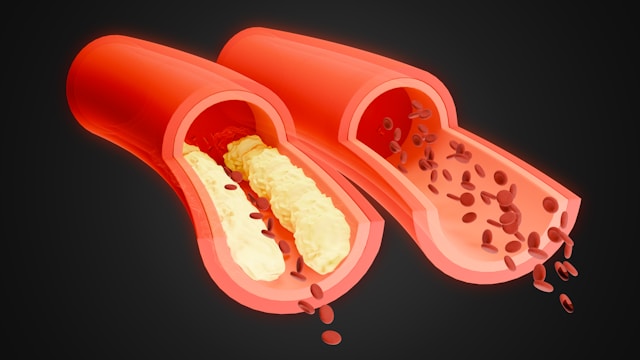
Cholesterol gets a bad reputation, but the reality is more nuanced than "cholesterol is bad for you." Your body actually needs cholesterol — it's essential for building cell membranes, producing hormones, and helping your liver make bile for digestion. The problem isn't cholesterol itself; it's what happens when certain types of cholesterol accumulate in the wrong places.
Here's a plain-language breakdown of everything you need to know.
What Is Cholesterol, Exactly?
Cholesterol is a waxy, fat-like substance found in every cell of your body. Your liver produces all the cholesterol you need, but you also get it from animal-based foods — meat, dairy, eggs, and seafood. Cholesterol can't dissolve in blood, so it's transported by proteins called lipoproteins. The type of lipoprotein carrying the cholesterol is what determines whether it's "good" or "bad."
LDL vs. HDL: The Key Distinction
LDL (Low-Density Lipoprotein) — "Bad" Cholesterol
LDL carries cholesterol from your liver to the cells that need it. The problem is that excess LDL can deposit cholesterol on the walls of your arteries, forming plaques that narrow and harden the arteries over time — a process called atherosclerosis. This is the primary mechanism behind heart attacks and strokes.
In general, lower LDL is better. Most guidelines recommend keeping LDL below 100 mg/dL for most adults, and even lower for people with existing heart disease or high cardiovascular risk.
HDL (High-Density Lipoprotein) — "Good" Cholesterol
HDL works in the opposite direction, picking up excess cholesterol from the bloodstream and arterial walls and returning it to the liver for elimination. Higher HDL levels are protective — they essentially act as a cleanup crew for your cardiovascular system.
For men, HDL above 40 mg/dL is considered acceptable; for women, above 50 mg/dL. Levels above 60 mg/dL are considered cardioprotective for both.
Triglycerides: The Third Number
A complete cholesterol panel also measures triglycerides — a type of fat in the blood that your body stores as energy. High triglycerides combined with low HDL and high LDL create a particularly risky cardiovascular profile. Normal triglyceride levels are below 150 mg/dL.
What the Total Cholesterol Number Means
When a doctor says your total cholesterol is "high" or "normal," they're referring to a calculation that adds LDL, HDL, and a portion of triglycerides together. General guidelines:
- Desirable: Less than 200 mg/dL
- Borderline high: 200–239 mg/dL
- High: 240 mg/dL and above
However, total cholesterol alone is an incomplete picture. Two people with the same total cholesterol number can have very different cardiovascular risk profiles depending on the ratio of LDL to HDL. That's why it's important to understand the breakdown, not just the total.
What Causes High LDL Cholesterol?
Several factors drive LDL levels up:
- Diet: Saturated fat (found in red meat, full-fat dairy, butter, and coconut oil) raises LDL more than dietary cholesterol itself. Trans fats, found in some processed foods, are even worse — they raise LDL and lower HDL simultaneously.
- Lack of physical activity: Regular exercise raises HDL and can lower LDL over time.
- Excess weight: Being overweight tends to raise LDL and lower HDL.
- Genetics: Familial hypercholesterolemia is a genetic condition that causes very high LDL regardless of diet and lifestyle. People with this condition often need medication even if they eat perfectly.
- Age and hormones: LDL tends to rise as we age, and women often see a significant increase in LDL after menopause.
- Certain medical conditions: Hypothyroidism, kidney disease, and diabetes can all affect cholesterol levels.
How to Improve Your Cholesterol Profile
Eat more fiber — especially soluble fiber
Soluble fiber binds to cholesterol in the digestive system and helps remove it before it enters the bloodstream. Oats, beans, lentils, apples, and flaxseeds are all excellent sources. Just one to two servings of oatmeal per day has been shown to lower LDL meaningfully over time.
Replace saturated fats with unsaturated fats
Swapping butter for olive oil, choosing fatty fish over red meat a few times a week, and adding avocados and nuts to your diet can lower LDL while raising HDL. The Mediterranean diet is one of the best-studied dietary patterns for cardiovascular health and is built around these principles.
Exercise regularly
Aerobic exercise — brisk walking, cycling, swimming, jogging — is particularly effective at raising HDL. Most guidelines recommend at least 150 minutes of moderate-intensity aerobic activity per week for cardiovascular benefit.
Lose excess weight
Even modest weight loss — 5–10% of body weight — can have a meaningful positive impact on LDL, HDL, and triglycerides.
Quit smoking
Smoking lowers HDL significantly. Quitting has been shown to raise HDL relatively quickly and improve overall cardiovascular health.
Limit alcohol
While moderate alcohol consumption has been associated with higher HDL in some studies, the risks of alcohol generally outweigh the cardiovascular benefits, particularly for anyone with a family history of alcohol-related problems.
When Medication Is the Right Answer
For some people, lifestyle changes alone aren't enough to reach healthy cholesterol levels — particularly those with genetic hypercholesterolemia or existing cardiovascular disease. Statins and other cholesterol-lowering medications are among the most well-studied drugs in medicine and are very effective at reducing LDL and cardiovascular event risk.
If your cholesterol levels remain elevated despite diet and lifestyle changes, it's worth having an honest conversation with your healthcare provider about whether medication makes sense for you.
How Often Should You Get Checked?
The American Heart Association recommends that adults 20 and older have their cholesterol checked at least every four to six years. Those with risk factors — family history of heart disease, high blood pressure, diabetes, or existing elevated cholesterol — should be monitored more frequently.
The Bottom Line
Cholesterol isn't simply good or bad — it's about the right balance of the right types. Understanding your LDL, HDL, and triglyceride numbers gives you a much clearer picture of your cardiovascular health than any single number on its own. With the right diet, exercise, and medical support when needed, most people can achieve and maintain a healthy cholesterol profile throughout their lives.
For more health and wellness resources, visit Vital 110 — a healthcare initiative from Health Compass Inc. dedicated to making everyday health more accessible.
‹ Back
Recent Posts
-

Your Fall Preventive Care Checklist: Screenings and Checkups Not to Skip
September 14, 2026
-

Building a Stronger Immune System Before Cold and Flu Season
September 7, 2026
-

-

Staying Active in the Heat: Joint-Friendly Ways to Keep Moving
August 24, 2026
-