


The Beginner's Guide to Strength Training After 40
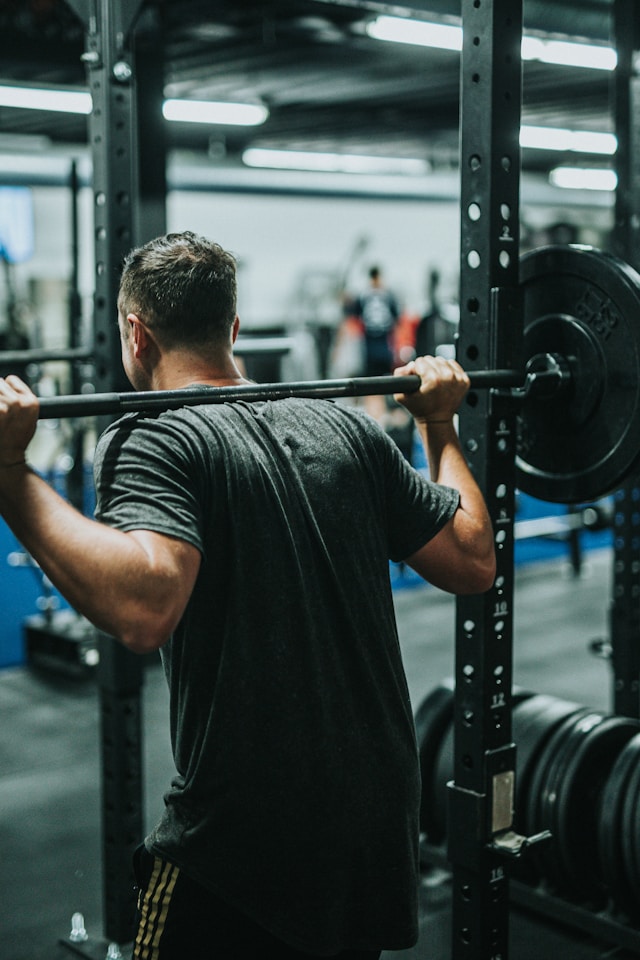
If you're over 40 and haven't done much strength training, you might assume the window for building muscle has passed. Maybe you think it's too late to start, or that lifting weights is for younger people, or that your body just can't handle it the way it once could.
All of that is wrong — and the science is unambiguous on this point. Strength training after 40 is not only possible, it's one of the most important things you can do for your long-term health, independence, and quality of life. Here's everything you need to know to start safely and effectively.
Why Strength Training Becomes More Important After 40
Starting around age 30, adults begin to lose muscle mass at a rate of roughly 3–8% per decade — a process called sarcopenia. After 40, this loss accelerates, and after 60 it can become dramatic without intervention. The consequences extend well beyond aesthetics. Muscle loss contributes to:
- Reduced metabolic rate and easier weight gain
- Declining functional strength for everyday activities
- Increased risk of falls and fractures
- Loss of bone density (which strength training directly counters)
- Worsening insulin sensitivity and increased risk of type 2 diabetes
- Reduced cardiovascular health markers
- Decreased energy and increased fatigue
The remarkable thing is that virtually all of these trends are reversible or significantly slowed with regular strength training — at any age. Studies have shown meaningful muscle gains in adults well into their 70s and 80s who begin resistance training for the first time. The body's capacity to adapt to strength training doesn't disappear with age; it just requires more intentional stimulus and recovery.
What Changes After 40
Starting strength training in your 40s, 50s, or beyond isn't the same as starting at 25 — and understanding the differences helps you train smarter rather than harder.
Recovery takes longer
As we age, the body's repair and recovery processes slow down. Muscles, tendons, and connective tissue take longer to recover from training stress. This doesn't mean you can't train hard — it means you need to be more intentional about rest between sessions and pay closer attention to how your body feels.
Hormonal changes affect muscle building
Testosterone and growth hormone — two key drivers of muscle protein synthesis — decline with age in both men and women. This makes building muscle somewhat slower after 40, but it absolutely doesn't prevent it. Adequate protein intake, progressive training, and good sleep all help offset hormonal changes significantly.
Joint health requires more attention
Decades of use, old injuries, and age-related changes in cartilage and connective tissue mean that joint health needs to be a priority in your training program. This generally means more emphasis on warming up, more attention to movement quality and form, and potentially modifying exercises that cause joint discomfort rather than pushing through pain.
Injury risk is higher — but very manageable
The most common injuries in older adults who start strength training are the result of doing too much too soon. Starting conservatively and progressing gradually is not a compromise — it's the most effective long-term approach for any age group, and especially important after 40.
Getting Started: The Fundamentals
Start with bodyweight and light resistance
There's no need to touch a barbell in your first weeks of training. Bodyweight exercises — squats, lunges, push-ups, glute bridges, planks — develop the movement patterns, joint stability, and muscular foundation you'll need before adding external load. For many beginners, bodyweight alone is genuinely challenging and provides meaningful stimulus for improvement.
Focus on the major movement patterns
Rather than thinking in terms of individual muscles, a well-designed program covers these fundamental movement patterns:
- Squat: Bodyweight squat, goblet squat, leg press
- Hinge: Deadlift variation, Romanian deadlift, kettlebell swing
- Push: Push-up, dumbbell press, overhead press
- Pull: Row variation, lat pulldown, assisted pull-up
- Carry: Farmer's carry, suitcase carry
Training these patterns two to three times per week covers all the major muscle groups and builds functional strength that translates directly to everyday life.
Prioritize form over weight
This is true for everyone but especially important after 40. Poor form with heavy loads is the most common cause of training injuries. Learn to perform each movement correctly with light or no weight before adding resistance. If you're unsure about form, a few sessions with a qualified personal trainer or physical therapist can be a worthwhile investment that pays dividends for years.
Train 2–3 days per week to start
Two full-body sessions per week is enough to produce meaningful strength and muscle gains for a beginner — and it leaves sufficient recovery time between sessions. As your fitness improves and your body adapts, you can add a third session. Three non-consecutive days per week (e.g., Monday, Wednesday, Friday) is a classic and effective structure.
Progress gradually
Progressive overload — gradually increasing the challenge over time — is the fundamental principle that drives strength adaptation. This doesn't always mean adding weight; it can also mean performing more reps with the same weight, reducing rest time, or improving movement quality. The goal is consistent, gradual progress over months and years — not dramatic jumps from week to week.
Sample Beginner Full-Body Workout
This workout uses only bodyweight and light dumbbells and can be done at home or in a gym. Perform 2–3 sets of each exercise with 60–90 seconds of rest between sets.
- Goblet squat — 10–12 reps
- Push-up (or incline push-up) — 8–12 reps
- Dumbbell Romanian deadlift — 10–12 reps
- Dumbbell row — 10–12 reps per side
- Glute bridge — 12–15 reps
- Plank hold — 20–40 seconds
Complete this workout twice a week for four weeks. By week five, most people find they need to increase the weight or reps to maintain the same level of challenge — that's progressive overload working exactly as intended.
Nutrition: What to Eat to Support Muscle Building After 40
Protein is the priority
Muscle protein synthesis — the process by which your body builds and repairs muscle tissue — requires adequate protein intake. After 40, research suggests that protein needs are actually higher than standard recommendations, due in part to a phenomenon called "anabolic resistance" — the muscle's reduced sensitivity to protein signals that comes with age. Most experts recommend 1.6–2.2 grams of protein per kilogram of body weight per day for older adults engaged in strength training. For a 170-pound person, that's roughly 120–170 grams of protein daily.
Good protein sources include lean meats, poultry, fish, eggs, dairy, legumes, and protein supplements when whole food sources are insufficient. Spreading protein intake across meals — rather than concentrating it in one large meal — also improves muscle protein synthesis rates.
Don't undereat
Building muscle requires adequate calories. Many adults over 40 are trying to lose weight at the same time they're trying to build muscle — a combination that's possible but slower. If weight loss is the primary goal, a modest caloric deficit paired with high protein intake and strength training will reduce fat while preserving or even building muscle. Severe caloric restriction makes building muscle very difficult and should be avoided.
Recovery: The Often Neglected Part of the Equation
Strength gains don't happen in the gym — they happen during recovery. The training session is the stimulus; sleep, nutrition, and rest are where the actual adaptation occurs. For adults over 40, recovery deserves as much attention as the training itself.
Prioritize 7–9 hours of sleep per night, as sleep is when growth hormone is released and muscle repair is most active. Manage stress, which elevates cortisol and directly impairs muscle protein synthesis. And don't be afraid to take rest days — soreness that persists more than 48–72 hours after a session is typically a sign that your body needs more time before being challenged again.
When to Check In With a Healthcare Provider
Before starting any new exercise program after 40 — particularly if you have existing health conditions, cardiovascular risk factors, joint problems, or have been sedentary for an extended period — it's worth a conversation with your healthcare provider. Most people can start a moderate strength training program safely without extensive medical screening, but knowing your baseline health metrics and any specific precautions relevant to your situation is always a good starting point.
The Bottom Line
Strength training after 40 is not only safe — it's one of the most powerful interventions available for maintaining your health, your independence, and your quality of life as you age. The body's capacity to get stronger doesn't expire. Start conservatively, focus on movement quality, progress patiently, and be consistent. The results — in strength, energy, body composition, bone density, and confidence — compound over time in ways that are genuinely life-changing.
For more health and wellness resources, visit Vital 110 — a healthcare initiative from Health Compass Inc. dedicated to making everyday health more accessible.
‹ Back
Recent Posts
-

-

Seasonal Mood Shifts: Recognizing and Managing the Early Signs of Fall Blues
September 30, 2026
-

Flu Shot Facts: What to Know Before This Year's Season
September 28, 2026
-

The Fall Reset: Easing Back Into Healthy Routines After Summer
September 21, 2026
-

Your Fall Preventive Care Checklist: Screenings and Checkups Not to Skip
September 14, 2026