


Sun Safety 101: Protecting Your Skin Through the Summer Months
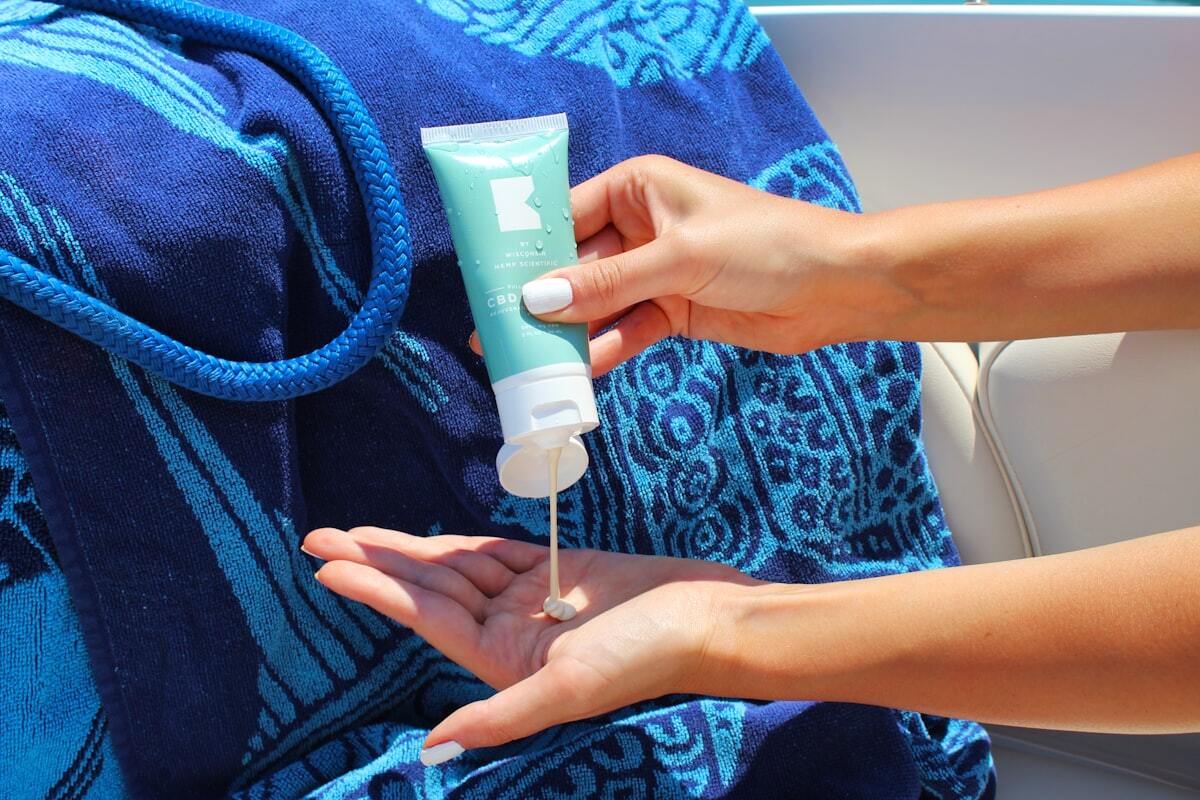
Summer is the season for getting outside, whether that means long beach days, backyard barbecues, hiking, gardening, or simply running errands under a bright sky. All that sunshine feels wonderful, and it does deliver real benefits like a mood boost and a little vitamin D. But the same sunlight that warms your skin can also damage it, and the effects add up over a lifetime.
The good news is that protecting yourself is simple once you know the basics. With a few easy habits, you can enjoy your time outdoors and lower your risk of sunburn, premature aging, and skin cancer at the same time.
Understanding UV Rays
The sun gives off ultraviolet (UV) radiation, and two types matter most for your skin. UVA rays penetrate deep and are largely responsible for wrinkles and long-term aging. UVB rays affect the surface and are the main cause of sunburn. Both can contribute to skin cancer, which is why protecting against the full range of UV matters.
A few things are worth keeping in mind:
- UV rays are strongest between 10 a.m. and 4 p.m., even on cool or overcast days.
- Clouds block only a portion of UV, so you can still burn when the sky is gray.
- Water, sand, concrete, and snow reflect sunlight and increase your exposure.
- UV levels rise at higher elevations and closer to the equator.
Many weather apps now include a daily UV index. When that number is 3 or higher, it is a good idea to take protective steps before heading out.
Choosing and Using Sunscreen
Sunscreen is one of your best tools, but only if you choose well and use enough. Look for these features on the label:
- Broad spectrum: protects against both UVA and UVB rays.
- SPF 30 or higher: SPF 30 blocks about 97 percent of UVB rays, and higher numbers add a little more.
- Water resistant: helpful for swimming and sweating, though no sunscreen is truly waterproof.
How much and how often
Most adults need about one ounce, roughly a shot glass full, to cover the body. People often apply far too little, which lowers the protection they actually get. Apply about 15 minutes before going outside so it has time to bind to your skin.
Reapplication is where many of us slip up. Plan to reapply:
- Every 2 hours while you are outdoors.
- Right after swimming or heavy sweating.
- After toweling off.
Do not forget commonly missed spots like your ears, the back of your neck, the tops of your feet, and your scalp along the part of your hair. A lip balm with SPF protects your lips too.
If you are not sure which product fits your skin or have had reactions to sunscreens in the past, reach out to the Vital 110 team for guidance on finding an option that works for you.
Beyond Sunscreen: Clothing, Shade, and Timing
Sunscreen works best as part of a bigger plan. Layering these habits gives you much stronger protection than any single step alone.
- Seek shade: take breaks under trees, umbrellas, or canopies, especially during midday hours.
- Cover up: lightweight long sleeves, pants, and tightly woven fabrics block UV. Some clothing carries a UPF rating, which tells you how much UV it blocks.
- Wear a hat: a wide-brimmed hat shields your face, ears, and neck better than a ball cap.
- Protect your eyes: sunglasses that block 99 to 100 percent of UV help guard against cataracts and protect the delicate skin around your eyes.
- Plan around the clock: when you can, schedule outdoor activities for early morning or later afternoon.
Who Is at Higher Risk
Everyone benefits from sun protection, but some people need to be especially careful. You may be at higher risk of sun damage or skin cancer if you have:
- Fair skin, light eyes, or red or blond hair.
- A history of sunburns, especially blistering ones.
- Many moles or a family history of skin cancer.
- A weakened immune system or certain medications that increase sun sensitivity.
People with darker skin can and do develop skin cancer too, and it is sometimes caught later, so sun protection matters for every skin tone. Babies under 6 months should be kept out of direct sun entirely, since their skin is especially delicate and sunscreen is generally not recommended for them. For older children, shade, clothing, and sunscreen together work well.
When a Changing Mole Warrants a Doctor Visit
Getting to know your own skin is one of the most powerful things you can do. Once a month, take a few minutes in good light to look yourself over, using a mirror or a partner's help for hard-to-see areas. A handy way to remember warning signs is the ABCDE guide:
- A is for Asymmetry: one half does not match the other.
- B is for Border: edges are ragged, blurred, or irregular.
- C is for Color: uneven shades of brown, black, red, white, or blue.
- D is for Diameter: larger than a pencil eraser, though some are smaller.
- E is for Evolving: changing in size, shape, or color over time.
Also pay attention to any spot that itches, bleeds, or does not heal. If you notice any of these signs, it is worth scheduling a visit with a healthcare provider or dermatologist. Most spots turn out to be harmless, but when skin cancer is caught early, it is very treatable. There is no downside to having something checked and real peace of mind to gain.
The Bottom Line
Sun safety does not mean hiding indoors all summer. It means being smart: applying broad spectrum SPF 30 or higher, reapplying often, dressing for protection, seeking shade during peak hours, and keeping an eye on your skin. These small habits protect you now and for years to come, so you can enjoy the season with confidence.
Have questions about your health or want to talk with a provider? Contact the Vital 110 team to get started. Vital 110 is a healthcare initiative from Health Compass Inc., dedicated to making everyday health more accessible.
‹ Back
Recent Posts
-

-

Seasonal Mood Shifts: Recognizing and Managing the Early Signs of Fall Blues
September 30, 2026
-
Flu Shot Facts: What to Know Before This Year's Season
September 28, 2026
-

The Fall Reset: Easing Back Into Healthy Routines After Summer
September 21, 2026
-

Your Fall Preventive Care Checklist: Screenings and Checkups Not to Skip
September 14, 2026