


How Much Sleep Do You Actually Need? What the Science Says
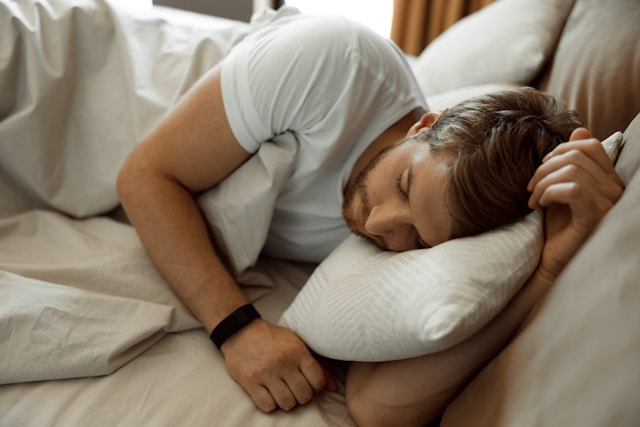
Everyone knows sleep is important. But if you've ever wondered whether you're getting enough — or convinced yourself that six hours is "fine" — you're not alone. Sleep is one of the most misunderstood pillars of health, and most Americans are getting less of it than their bodies actually need.
So what does the science actually say? And how do you know if your sleep habits are working for or against you?
The Official Recommendation
The American Academy of Sleep Medicine and the Centers for Disease Control and Prevention (CDC) both recommend that adults aged 18–60 get at least 7 hours of sleep per night. Adults 61 and older may need between 7 and 9 hours. Teenagers need 8–10 hours, and younger children need even more.
Here's the catch: these are minimums, not ideals. Many people function best with 8 or even 9 hours, and there is no medal for getting by on less.
Why "I'll Sleep When I'm Dead" Is a Dangerous Mindset
Chronic sleep deprivation — defined as regularly getting less than 7 hours — has been linked to a startling list of health consequences, including:
- Increased risk of heart disease and high blood pressure
- Higher likelihood of obesity and type 2 diabetes
- Weakened immune function
- Impaired memory, focus, and decision-making
- Greater susceptibility to anxiety and depression
- Reduced reaction time (comparable to being intoxicated)
The troubling part? Many people who are chronically sleep-deprived don't realize it. The body adapts to feeling tired, making it difficult to recognize how impaired you actually are.
Sleep Quality Matters Just as Much as Quantity
Eight hours of fragmented, restless sleep is not the same as eight hours of deep, restorative sleep. Sleep quality is influenced by how well you cycle through the different stages of sleep — including deep sleep and REM sleep — which are both critical for physical repair and cognitive function.
Signs that your sleep quality may be poor include:
- Waking up frequently during the night
- Feeling groggy even after a full night of sleep
- Relying heavily on caffeine to function during the day
- Difficulty concentrating or remembering things
- Mood swings or irritability
What About "Night Owls" and Early Risers?
Sleep timing is largely determined by your chronotype — your natural biological preference for sleeping and waking at certain times. Night owls aren't lazy, and early birds aren't necessarily more disciplined. These are genetic tendencies that are difficult to override long-term.
The problem is that most work and school schedules are designed for early risers, which means night owls are often chronically sleep-deprived simply because they can't fall asleep at the "right" time. If this sounds familiar, working with your chronotype rather than against it — where possible — can make a significant difference.
How to Actually Improve Your Sleep
The good news is that small, consistent changes to your habits can have a meaningful impact on both sleep duration and quality. Here's where to start:
Keep a consistent schedule
Going to bed and waking up at the same time every day — including weekends — is one of the most powerful things you can do for your sleep. It regulates your circadian rhythm and makes it easier to fall asleep and wake up naturally.
Create a wind-down routine
Your body needs a signal that it's time to sleep. Spend the last 30–60 minutes before bed doing something calm — reading, gentle stretching, or taking a warm shower. Avoid screens during this time, as blue light from phones and TVs suppresses melatonin production.
Make your bedroom a sleep sanctuary
Cool, dark, and quiet is the gold standard for a sleep environment. Consider blackout curtains, a white noise machine, or keeping the thermostat between 65–68°F — the range most sleep researchers consider optimal.
Watch your caffeine and alcohol intake
Caffeine has a half-life of about 5–6 hours, meaning a 3 p.m. coffee still has half its stimulant effect at 8 p.m. Alcohol may help you fall asleep faster but significantly disrupts sleep quality, particularly REM sleep.
Get natural light in the morning
Morning sunlight helps set your internal clock and makes it easier to feel sleepy at night. Even just 10–15 minutes outside shortly after waking can make a real difference.
When to Talk to a Doctor
If you've tried improving your sleep habits and still struggle regularly, it may be worth speaking with a healthcare provider. Conditions like sleep apnea, restless leg syndrome, and insomnia are common, treatable, and often go undiagnosed for years. A quick virtual visit with a primary care provider is a great first step.
The Connection Between Sleep and Long-Term Health
It's worth understanding just how deeply sleep is woven into your overall health — because the effects go far beyond feeling tired. During sleep, your body performs critical maintenance: your brain flushes out waste products through the glymphatic system, your muscles repair and grow, your immune system consolidates its defenses, and your hormones reset for the next day. Skimping on sleep doesn't just make you groggy — it shortchanges every one of these processes.
Chronic sleep deprivation has been linked to increased levels of systemic inflammation, which is a root driver of conditions ranging from cardiovascular disease to type 2 diabetes to certain cancers. It also disrupts hunger hormones — specifically, it raises ghrelin (the hormone that makes you hungry) and lowers leptin (the hormone that signals fullness) — which is one reason sleep-deprived people tend to eat more and gain weight more easily.
On the mental health side, the relationship between sleep and mood is bidirectional: poor sleep worsens anxiety and depression, and anxiety and depression worsen sleep. Breaking that cycle often requires addressing both simultaneously, which is another good reason to bring persistent sleep struggles to a healthcare provider rather than just pushing through.
A Note on Napping
Strategic napping can be a useful tool for managing sleep debt, but it comes with caveats. Naps of 10–20 minutes — sometimes called "power naps" — can improve alertness and performance without causing the grogginess that comes with longer naps. Naps over 30 minutes are more likely to result in "sleep inertia," that disorienting, heavy feeling of waking from deep sleep in the middle of the day.
Timing matters too. Napping too late in the afternoon — generally after 3 p.m. — can interfere with nighttime sleep, particularly for people who already struggle to fall asleep at a reasonable hour. If napping helps you function better and doesn't disrupt your nighttime sleep, it can be a legitimate part of your sleep strategy. If you find yourself relying on daily naps just to get through the day, that's a sign your nighttime sleep needs attention.
The Bottom Line
Most adults need 7–9 hours of quality sleep per night — not as a luxury, but as a biological necessity. Prioritizing sleep isn't laziness; it's one of the highest-return investments you can make in your health, your performance, and your mood. Start tonight.
For more health and wellness resources, visit Vital 110 — a healthcare initiative from Health Compass Inc. dedicated to making everyday health more accessible.
‹ Back
Recent Posts
-

Your Fall Preventive Care Checklist: Screenings and Checkups Not to Skip
September 14, 2026
-

Building a Stronger Immune System Before Cold and Flu Season
September 7, 2026
-

-

Staying Active in the Heat: Joint-Friendly Ways to Keep Moving
August 24, 2026
-