


The Beginner's Guide to Walking for Weight Loss (No Gym Required)
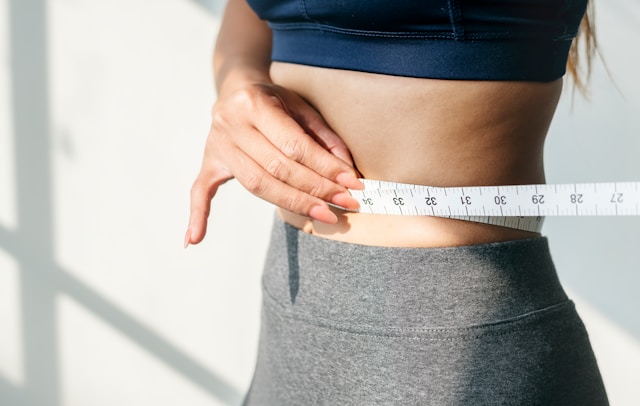
If the idea of starting an exercise routine feels overwhelming, walking might be exactly what you need. It requires no equipment, no membership, no special skills, and no experience. And despite its simplicity, walking is one of the most effective and sustainable forms of exercise available — especially when weight loss is the goal.
Here's everything you need to know to get started and actually stick with it.
Why Walking Works for Weight Loss
Walking burns calories. The exact number depends on your weight, speed, and terrain, but a 150-pound person walking at a moderate pace burns roughly 300–400 calories per hour. Do that consistently, and it adds up quickly — without the joint stress, injury risk, or intimidation factor of higher-intensity exercise.
But the benefits go beyond calories burned during the walk itself. Regular walking improves insulin sensitivity, reduces inflammation, supports healthy cortisol levels, and improves sleep quality — all of which play a role in weight management. It also tends to reduce stress-related eating, which is one of the more underrated benefits.
How Much Do You Need to Walk?
You've probably heard the "10,000 steps a day" rule. While it's a reasonable goal, research suggests that meaningful health benefits begin well before that number. Even 7,000–8,000 steps per day has been associated with significantly lower mortality risk and better metabolic health.
For weight loss specifically, most experts recommend working toward 30–60 minutes of moderate-paced walking most days of the week. If you're just starting out, don't worry about hitting those numbers right away — consistency matters far more than intensity at the beginning.
Getting Started: A Simple 4-Week Plan
Week 1: Build the Habit
Aim for 15–20 minutes of walking, 4–5 days this week. The goal isn't distance or speed — it's just showing up. Pick a time that fits your schedule and stick to it. Morning walks tend to be easier to maintain because life hasn't had a chance to get in the way yet.
Week 2: Extend Your Time
Add 5 minutes to each walk, bringing you to 20–25 minutes per session. Focus on maintaining a comfortable but purposeful pace — you should be able to hold a conversation but feel slightly out of breath.
Week 3: Increase Intensity
Try adding short bursts of faster walking — about 1–2 minutes of brisk pace followed by 2–3 minutes of normal pace. This interval approach burns more calories than steady-state walking and keeps things mentally interesting.
Week 4: Hit 30 Minutes
By now you should be walking 30 minutes comfortably most days. This is your baseline. From here, you can gradually increase time, frequency, or intensity depending on your goals.
Tips to Make It Stick
Walk with a purpose
Walks that have a destination — a coffee shop, a park, a specific landmark — tend to feel more engaging than laps around the block. Explore different routes to keep things fresh.
Use it as your thinking time
Many people find that walking is the perfect time for podcasts, audiobooks, or phone calls with friends. Give yourself something to look forward to that you only get during your walks.
Track your progress
A step counter, fitness app, or even a simple notes app can help you see how far you've come. Progress is motivating — especially in the early weeks when physical changes may not yet be visible.
Find a walking buddy
Accountability is one of the strongest predictors of exercise adherence. A friend, neighbor, or coworker who walks with you regularly makes it much harder to skip.
Don't ignore the small stuff
Parking farther away, taking the stairs, walking during your lunch break — these micro-movements add up. On days when a dedicated walk isn't possible, these habits keep your momentum going.
What About Diet?
Walking alone can support weight loss, but it works best when paired with reasonable attention to what you eat. You don't need to follow a strict diet — small adjustments like eating more protein, reducing liquid calories (soda, juice, alcohol), and being mindful of portion sizes can amplify the results of your walking habit significantly.
The Mental Health Benefits of Walking
Weight loss tends to get top billing in conversations about walking, but the mental health benefits are equally compelling — and they show up faster. Research consistently shows that regular walking reduces symptoms of anxiety and depression, often comparably to medication in mild to moderate cases. It boosts serotonin and dopamine, reduces cortisol, and provides a reliable daily anchor that contributes to a sense of structure and accomplishment.
Many people find that walking becomes their preferred time to decompress — away from screens, obligations, and the constant demands of connected life. Even a 20-minute walk without your phone can function as a genuine mental reset that improves your mood and focus for hours afterward. In this sense, walking isn't just exercise. It's a mental health practice that happens to be good for your body too.
Walking for Heart Health and Longevity
The cardiovascular benefits of regular walking are well-documented and significant. Studies have shown that people who walk regularly have lower rates of heart disease, stroke, high blood pressure, and type 2 diabetes. One large analysis found that walking just 30 minutes a day five days a week reduced the risk of cardiovascular events by roughly 19%.
For longevity specifically, the data on walking is striking. Research published in major medical journals has found that each additional 1,000 steps per day is associated with a meaningful reduction in all-cause mortality risk — meaning people who walk more simply tend to live longer. The relationship holds across age groups and fitness levels, making walking one of the most universally accessible longevity tools available.
When to Expect Results
Most people who walk consistently and make modest dietary adjustments begin to notice changes within 4–6 weeks. The scale may not move dramatically at first — particularly if you're also building muscle and losing fat simultaneously — but energy levels, mood, and sleep quality typically improve well before weight changes become visible.
The Bottom Line
Walking is not a consolation prize for people who "can't" do real exercise. It's a genuinely powerful health tool that has helped millions of people lose weight, lower their blood pressure, reduce stress, and live longer. All it takes is a good pair of shoes and the decision to start. You can do that today.
For more health and wellness resources, visit Vital 110 — a healthcare initiative from Health Compass Inc. dedicated to making everyday health more accessible.
‹ Back
Recent Posts
-

-

Seasonal Mood Shifts: Recognizing and Managing the Early Signs of Fall Blues
September 30, 2026
-

Flu Shot Facts: What to Know Before This Year's Season
September 28, 2026
-

The Fall Reset: Easing Back Into Healthy Routines After Summer
September 21, 2026
-

Your Fall Preventive Care Checklist: Screenings and Checkups Not to Skip
September 14, 2026