


5 Foods That Are Secretly Spiking Your Blood Sugar
Blood sugar management isn't just a concern for people with diabetes. The way your blood sugar rises and falls throughout the day affects your energy levels, your hunger, your mood, your weight, and your long-term risk for metabolic disease. And some of the foods causing the biggest spikes might surprise you.
These aren't the obvious culprits like candy bars and soda. These are the foods that tend to fly under the radar — things many people consider healthy or at least harmless. Let's break them down.
1. Flavored Yogurt
Yogurt has a well-deserved reputation as a health food — plain, unsweetened varieties are genuinely nutritious, high in protein and probiotics. But the flavored varieties lining most grocery store shelves are a different story. Many fruit-flavored yogurts contain 20–30 grams of added sugar per serving, which is enough to trigger a significant blood sugar spike.
The fix: Choose plain Greek yogurt and add your own fresh fruit or a small drizzle of honey. You'll get the protein and probiotics without the sugar hit.
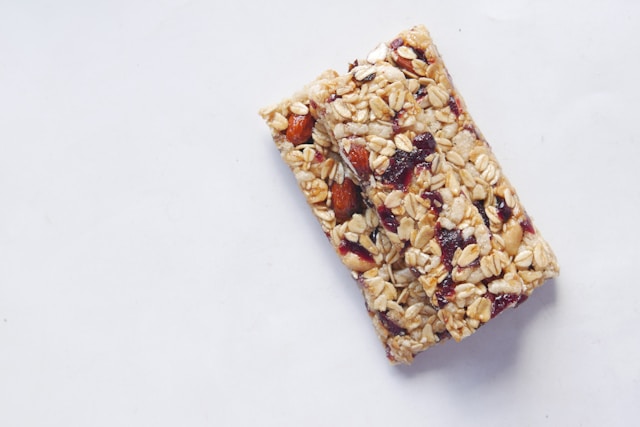
2. "Healthy" Granola and Granola Bars
Granola feels virtuous — oats, nuts, dried fruit. But most commercial granola is held together with sweeteners like honey, brown sugar, or corn syrup, and a single cup can contain 30+ grams of sugar. Granola bars are often even worse, functioning more like candy bars with a health halo.
The fix: Check the label. Look for granola with less than 6 grams of sugar per serving, or make your own at home where you control the sweeteners. A handful of raw nuts and a piece of whole fruit is often a better snack anyway.
3. White Bread, Bagels, and "Wheat" Bread
Refined carbohydrates — anything made from white flour — are digested and absorbed quickly, sending blood sugar soaring shortly after eating. This includes white bread, white rice, regular pasta, bagels, and most crackers. Many "wheat" breads are essentially white bread with a bit of coloring added, so the label alone isn't enough information.
The fix: Look for bread where "whole wheat" or "whole grain" is the first ingredient, and check that it contains at least 2–3 grams of fiber per slice. Fiber slows digestion and blunts the blood sugar response significantly.
4. Fruit Juice and Smoothies
Eating a whole orange gives you fiber, vitamins, and natural sugars in a package your body processes slowly. Drinking a glass of orange juice gives you mostly sugar — quickly absorbed, with very little fiber to slow it down. An 8-ounce glass of orange juice contains about 26 grams of sugar, similar to a can of soda.
Smoothies can be tricky too. When made primarily with fruit and juice (and especially when supersized), they can deliver an enormous sugar load very quickly. Adding vegetables, protein (Greek yogurt, protein powder), and healthy fat (avocado, nut butter) changes the picture considerably.
The fix: Eat whole fruit instead of drinking juice whenever possible. If you love smoothies, build them around vegetables and protein with fruit as a supporting player rather than the base.
5. Sports Drinks and Flavored Waters
Sports drinks were designed to replace electrolytes during extended, intense exercise — not as everyday hydration. A standard 20-ounce Gatorade contains about 34 grams of sugar. Coconut water, while more natural, can also be surprisingly high in sugar. Even some "vitamin waters" and flavored sparkling waters sneak in meaningful amounts of added sugar.
The fix: Plain water is still the gold standard for everyday hydration. If you want flavor, try sparkling water with a squeeze of citrus or a few slices of cucumber. If you're doing intense exercise for over an hour, a sports drink may actually be appropriate — but as a daily beverage, the sugar isn't worth it.
Why Blood Sugar Spikes Matter
When you eat something that causes a rapid rise in blood sugar, your pancreas releases a surge of insulin to bring it back down. This works, but it often overshoots — causing blood sugar to drop lower than it was before you ate, leaving you feeling tired, irritable, and hungry again relatively quickly. Over time, repeated blood sugar spikes contribute to insulin resistance, weight gain, inflammation, and increased risk for type 2 diabetes.
Keeping blood sugar stable isn't about avoiding all carbohydrates — it's about choosing the right ones and pairing them with protein, fat, and fiber, which slow digestion and smooth out the peaks and valleys.
Simple Strategies for Steadier Blood Sugar
- Always pair carbohydrates with protein and/or fat at meals and snacks
- Eat more fiber — vegetables, legumes, whole grains, and fruit in their whole form
- Don't skip meals, which can lead to overeating and bigger spikes later
- Walk after meals — even a 10-minute walk significantly improves post-meal blood sugar
- Stay hydrated — dehydration can worsen blood sugar regulation
How to Read a Nutrition Label for Blood Sugar
One of the most practical skills you can develop for blood sugar management is learning to read a nutrition label with blood sugar in mind. Here's what to focus on:
Total carbohydrates vs. dietary fiber: Subtract the fiber grams from the total carbohydrate grams to get the "net carbs" — the portion that will actually impact your blood sugar. Higher fiber means a slower, gentler blood sugar response.
Added sugars: This line, required on all U.S. nutrition labels since 2020, tells you how much sugar was added during processing as opposed to occurring naturally. Foods with high added sugar counts are almost always going to spike blood sugar quickly. The American Heart Association recommends no more than 25 grams of added sugar per day for women and 36 grams for men — amounts that are easy to exceed without realizing it.
Serving size: This is the number that tricks most people. Nutrition information is listed per serving, not per package — and serving sizes are often much smaller than what most people actually eat. A bag of granola listed as "3 servings" that you eat in one sitting triples all the numbers on the label.
Should You Test Your Own Blood Sugar?
For most healthy adults without diabetes or prediabetes, regular blood sugar testing isn't necessary. However, continuous glucose monitors (CGMs) — wearable devices that track blood sugar in real time — have become increasingly popular among health-conscious people who want to understand how their bodies respond to specific foods, exercise, stress, and sleep.
The data from CGMs can be genuinely illuminating. Many people discover that foods they considered healthy cause significant spikes for them specifically, while others are surprised that foods they avoided are actually well-tolerated. If you're curious about your personal blood sugar patterns, it's worth discussing with your healthcare provider whether a short-term CGM trial makes sense for you.
The Bottom Line
Blood sugar management is for everyone — not just people managing diabetes. Small, consistent choices about what you eat can have a surprisingly large impact on your energy, your weight, and your long-term health. Start by taking a closer look at the "healthy" foods in your diet that might be working against you.
For more health and wellness resources, visit Vital 110 — a healthcare initiative from Health Compass Inc. dedicated to making everyday health more accessible.
‹ Back
Recent Posts
-

-

Seasonal Mood Shifts: Recognizing and Managing the Early Signs of Fall Blues
September 30, 2026
-

Flu Shot Facts: What to Know Before This Year's Season
September 28, 2026
-

The Fall Reset: Easing Back Into Healthy Routines After Summer
September 21, 2026
-

Your Fall Preventive Care Checklist: Screenings and Checkups Not to Skip
September 14, 2026