


Prediabetes: The Common Warning Sign Most People Miss, and How to Turn It Around
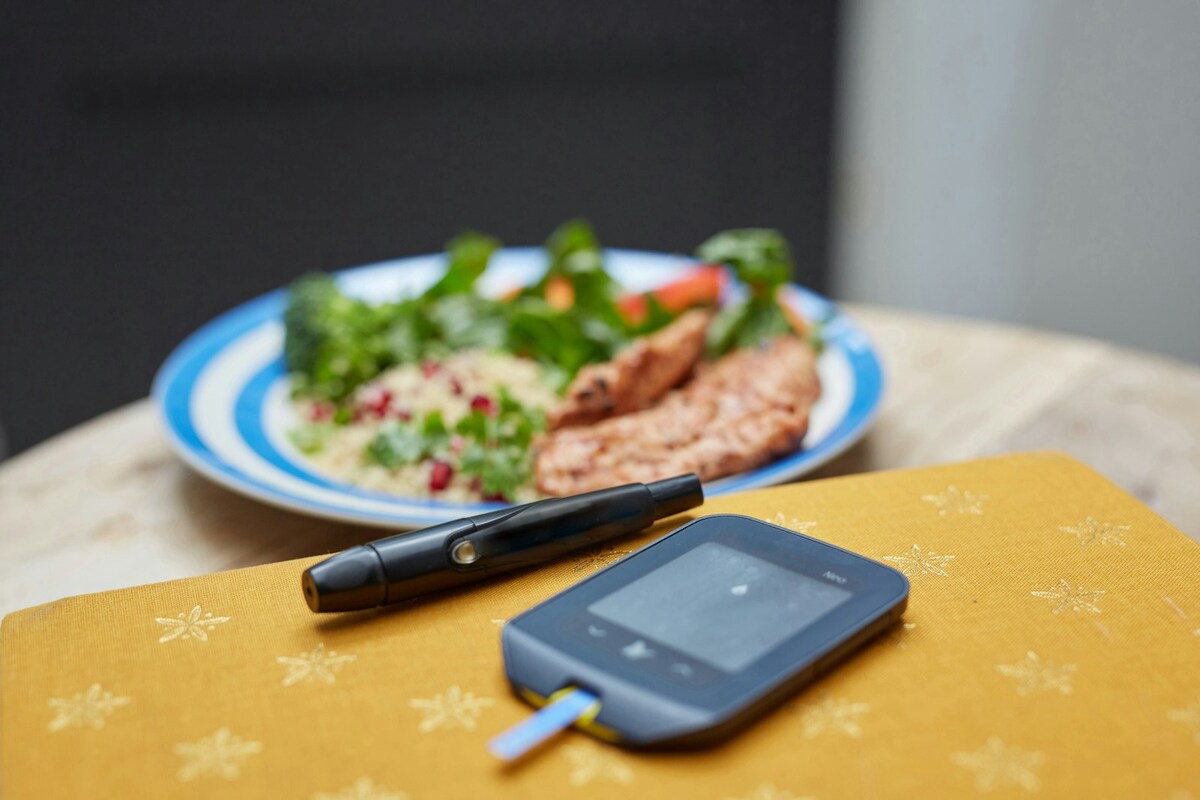
November is American Diabetes Month, which makes it a good time to talk about a condition that affects a huge number of people and still rarely gets the attention it deserves: prediabetes. The CDC estimates that more than 1 in 3 US adults have prediabetes, and most of them do not know it. That is not because people are careless. It is because prediabetes usually causes no symptoms at all.
The encouraging part is that prediabetes is not the same as having diabetes, and it is not a life sentence. For many people, it is a window of opportunity. This guide explains what prediabetes is, how it is diagnosed, who should get tested, and the practical, realistic changes that can help you turn it around.
What Prediabetes Actually Is
When you eat, your body breaks carbohydrates down into glucose (sugar), which enters your bloodstream. A hormone called insulin, made by your pancreas, helps move that glucose into your cells so they can use it for energy. In prediabetes, your cells do not respond to insulin as well as they should, a pattern often called insulin resistance. Your pancreas works harder to keep up, but over time your blood sugar starts to run higher than normal.
With prediabetes, blood sugar is elevated but not yet high enough to be diagnosed as type 2 diabetes. Think of it as a yellow light rather than a red one. Without changes, many people with prediabetes go on to develop type 2 diabetes, and higher blood sugar over time is also linked to heart disease and stroke. With changes, many people are able to bring their numbers back into a healthier range.
Why So Many People Miss It
The main reason prediabetes goes unnoticed is simple: it usually does not feel like anything. You can have prediabetes for years and feel completely fine, with no pain and no obvious warning. Some people notice subtle changes, such as darkened, velvety patches of skin on the back of the neck or in the armpits, but these are not reliable signs on their own. The only way to know for sure is a blood test, which is why understanding your risk and asking about screening matters so much.
How Prediabetes Is Diagnosed
Your provider can check for prediabetes with a simple blood test. There are three common options, and each one has its own range that points to prediabetes:
- A1C test: This reflects your average blood sugar over the past few months. An A1C of 5.7% to 6.4% falls in the prediabetes range. No fasting is needed.
- Fasting plasma glucose: This checks your blood sugar after an overnight fast. A result of 100 to 125 mg/dL indicates prediabetes.
- Oral glucose tolerance test: You drink a sweet liquid, and your blood sugar is checked two hours later. A 2-hour result of 140 to 199 mg/dL indicates prediabetes.
Your provider may repeat a test or use a second test to confirm the result.
Are You at Higher Risk?
Anyone can develop prediabetes, but certain factors make it more likely. Knowing where you stand can help you decide when to bring it up with your provider.
- Having overweight
- Being 35 or older
- Having a parent, brother, or sister with type 2 diabetes
- Being physically inactive most days
- Having had gestational diabetes (diabetes during pregnancy)
- Having polycystic ovary syndrome (PCOS)
- Belonging to certain racial and ethnic groups that research shows have a higher risk
Who should be screened
The U.S. Preventive Services Task Force (USPSTF) recommends screening for prediabetes and type 2 diabetes in adults ages 35 to 70 who have overweight or obesity. Your provider may suggest testing earlier or more often if you have other risk factors, such as a family history or a history of gestational diabetes. If you are not sure whether you have ever been tested, it is completely reasonable to ask at your next visit.
The Good News: Prediabetes Is Often Reversible
Prediabetes is often reversible, and the changes that make a difference are more modest than many people expect. The landmark Diabetes Prevention Program study found that people with prediabetes who lost a modest amount of weight (5% to 7% of their body weight) and got about 150 minutes a week of physical activity cut their risk of developing type 2 diabetes by 58%. For someone who weighs 200 pounds, 5% to 7% works out to roughly 10 to 14 pounds. And 150 minutes a week is about 30 minutes on five days, which can simply be brisk walking.
If you would like structure and support, the CDC-recognized National Diabetes Prevention Program offers lifestyle change programs built on this research, with options in person and online. Participants learn practical skills and work alongside others who are pursuing similar goals. Your provider can help you find a program, and if you want help figuring out a next step, you can reach out to the Vital 110 team.
Practical Steps to Turn It Around
You do not need a complete overhaul. Small, steady changes add up and tend to last longer than drastic ones.
Build a balanced plate
A simple way to structure meals is to fill about half your plate with non-starchy vegetables, a quarter with lean protein, and a quarter with whole grains or other high-fiber carbohydrates. Fiber slows digestion and helps soften big swings in blood sugar, so good sources are worth adding to your week:
- Beans, lentils, and chickpeas
- Whole grains such as oats, brown rice, and whole wheat
- Vegetables, especially leafy greens, broccoli, and peppers
- Whole fruits, which offer more fiber than juice
- Nuts and seeds
Rethink your drinks
Sugary drinks like regular soda, sweet tea, energy drinks, and specialty coffee drinks can deliver a lot of sugar quickly without making you feel full. Swapping even some of them for water, sparkling water, or unsweetened tea is one of the easiest changes you can make.
Take a short walk after meals
Your muscles use glucose for fuel, so moving after you eat can help bring blood sugar down. Research suggests that even a short walk after a meal can help. A stroll of 10 or 15 minutes after dinner is an easy habit to start.
Add strength training
Building muscle helps your body use insulin more effectively. Aim for strength training on two or more days a week using bodyweight exercises, resistance bands, or weights. It does not need to be intense to be helpful.
Protect your sleep and manage stress
Short or poor sleep and ongoing stress can both make blood sugar harder to manage. Aim for at least 7 hours of sleep, keep a regular schedule, and find a few stress relievers that work for you, whether that is time outside, slow breathing, or talking with a friend.
When to See a Provider
Talk with a healthcare provider about testing if you have any of the risk factors above, especially if you are 35 or older and have overweight. It is also a good idea to check in if you:
- Have been told your blood sugar is "a little high" but never followed up
- Had gestational diabetes in a past pregnancy
- Notice increased thirst, frequent urination, blurry vision, slow-healing sores, or unexplained weight loss, which can be signs of diabetes
- Want to know whether a program like the National Diabetes Prevention Program is a good fit for you
If you are diagnosed with prediabetes, your provider can help you set realistic goals, decide how often to retest, and talk through whether any other treatment makes sense for you. If you ever have extreme thirst along with confusion, vomiting, or trouble breathing, seek medical care right away or call 911.
The Bottom Line
Prediabetes is common, usually silent, and very often reversible. A simple blood test is the only way to know if you have it, so ask your provider about screening, especially if you are 35 or older or have other risk factors. If your numbers land in the prediabetes range, treat it as an early heads-up rather than bad news. Small, steady changes can make a real difference.
Have questions about your health or want to talk with a provider? Contact the Vital 110 team to get started. Vital 110 is a healthcare initiative from Health Compass Inc., dedicated to making everyday health more accessible.
‹ Back