


Flu Shot Facts: What to Know Before This Year's Season
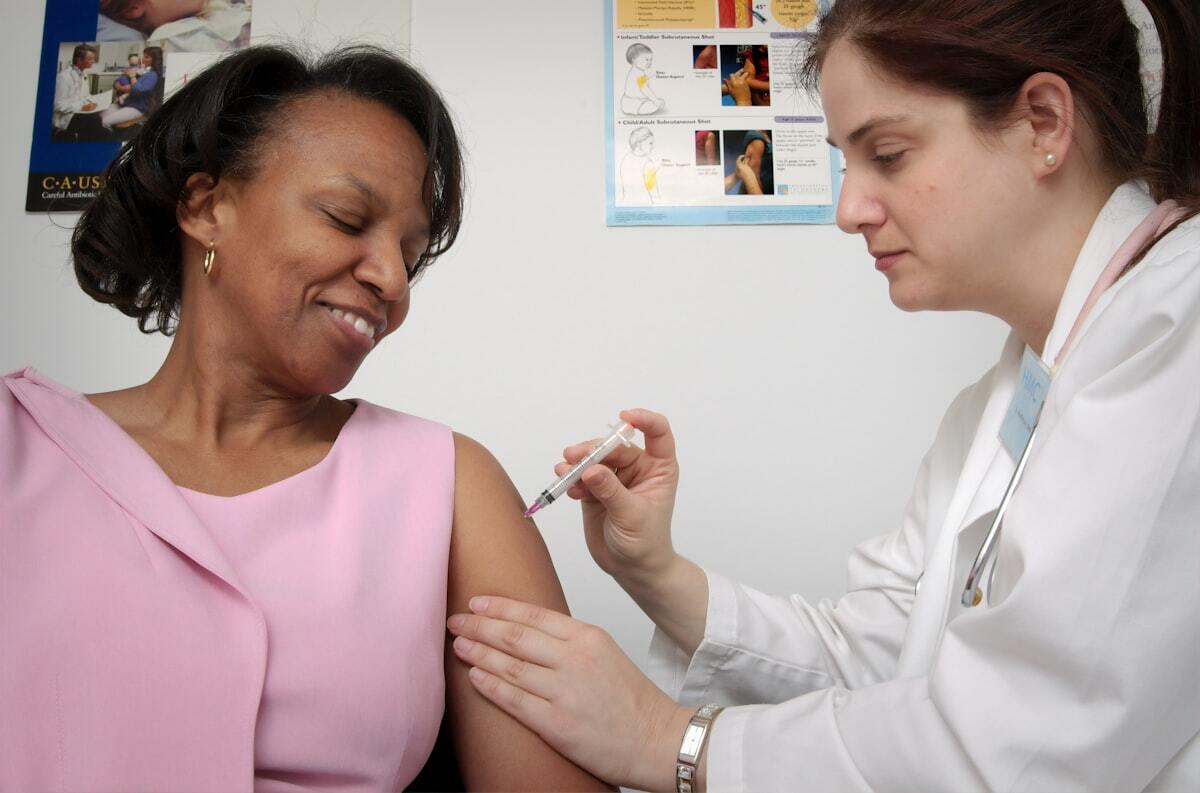
Every fall, the same question comes up: is it really worth getting a flu shot this year? It is a fair thing to ask, and the answer for most people is yes. The flu vaccine remains one of the simplest, most effective ways to protect yourself and the people around you during the colder months.
Still, there is a lot of confusion and a fair number of myths floating around about the flu shot. This guide walks through how the vaccine works, who should get it and when, what side effects to expect, and how to tell the flu apart from a cold or COVID-19, so you can head into the season feeling informed and prepared.
How the Flu Shot Actually Works
The flu vaccine works by teaching your immune system to recognize and fight the influenza viruses expected to circulate that season. Most flu shots contain inactivated (killed) virus components or a single protein from the virus. Your body responds by building antibodies, so if you are exposed to the real thing later, your immune system is ready.
Because flu viruses change from year to year, scientists update the vaccine annually to match the strains most likely to spread. That is why a yearly shot matters: last year's protection fades, and last year's formula may not match this season's viruses. It takes about two weeks after vaccination for your protection to fully kick in.
Who Should Get It and When
Health authorities recommend that nearly everyone 6 months and older get a flu shot each year, with rare exceptions. Vaccination is especially important for people at higher risk of serious complications.
- Adults 65 and older
- Young children
- People who are pregnant
- Anyone with chronic conditions such as asthma, diabetes, or heart disease
- People living with or caring for those at higher risk
Timing matters too. Aim to get vaccinated by the end of October, before flu activity typically picks up. That said, getting a shot later in the season still offers real protection, so if October slips by, do not skip it. If you are not sure whether the timing or a specific vaccine is right for you, reach out to the Vital 110 team and we can help point you in the right direction.
Common Myths, Cleared Up
"The flu shot can give you the flu"
This is the big one, and it is not true. The standard flu shot contains inactivated virus or just a single viral protein, neither of which can cause influenza. If you feel a bit run-down after your shot, that is your immune system responding as intended, not an infection. Any symptoms are usually mild and short-lived.
"I am healthy, so I do not need it"
Even healthy people get the flu, and even healthy people can spread it to someone more vulnerable. Getting vaccinated helps protect your family, coworkers, and community, especially infants and older adults who face higher risks.
"I got it once and still caught the flu, so it does not work"
No vaccine is 100 percent effective, and the flu shot is no exception. But even when it does not fully prevent illness, it often makes the flu milder and lowers your chances of serious complications or hospitalization. That is a meaningful benefit.
Possible Side Effects
For most people, side effects from the flu shot are minor and pass within a day or two. They are a sign your immune system is doing its job.
- Soreness, redness, or swelling where you got the shot
- A mild low-grade fever
- Aches or a feeling of tiredness
- Headache
Serious reactions are rare. If you have had a severe allergic reaction to a flu vaccine in the past, or you have specific health concerns, talk with your healthcare provider about the safest option for you.
High-Dose Options for Older Adults
As we age, our immune systems tend to respond less strongly to vaccines. To address this, there are flu vaccines designed specifically for adults 65 and older, including high-dose and adjuvanted versions that prompt a stronger immune response.
If you or a loved one is in this age group, ask a pharmacist or provider whether one of these options is available and appropriate. The goal is to give older adults, who face a higher risk of flu complications, the strongest possible protection.
Flu vs. Cold vs. COVID-19
These illnesses share symptoms, which makes them tricky to tell apart. Here is a general guide, though testing is the only way to know for certain with the flu and COVID-19.
- Cold: Usually comes on gradually with a runny or stuffy nose, sneezing, and a mild sore throat. Fever is uncommon in adults, and symptoms tend to be milder.
- Flu: Often hits suddenly with fever, body aches, fatigue, cough, and headache. Symptoms are typically more intense than a cold.
- COVID-19: Shares many symptoms with the flu and can range from mild to severe. A loss of taste or smell points more toward COVID-19, and only a test can confirm it.
If you are unsure what you are dealing with or your symptoms are severe, contact a healthcare provider for guidance and testing.
Other Habits That Help
The flu shot is your strongest tool, but everyday habits add another layer of protection for you and those around you.
- Wash your hands often with soap and water.
- Avoid touching your face, especially your eyes, nose, and mouth.
- Cover coughs and sneezes with your elbow or a tissue.
- Stay home when you are sick to avoid spreading illness.
- Keep up with sleep, nutrition, and stress management to support your immune system.
The Bottom Line
Getting your flu shot, ideally by the end of October, is one of the easiest and most effective things you can do to protect yourself and your community this season. It cannot give you the flu, side effects are usually mild, and tailored options exist for older adults. Pair vaccination with good everyday habits, and you will be well prepared for whatever the season brings.
Have questions about your health or want to talk with a provider? Contact the Vital 110 team to get started. Vital 110 is a healthcare initiative from Health Compass Inc., dedicated to making everyday health more accessible.
‹ Back
Recent Posts
-

Seasonal Mood Shifts: Recognizing and Managing the Early Signs of Fall Blues
September 30, 2026
-
Flu Shot Facts: What to Know Before This Year's Season
September 28, 2026
-

The Fall Reset: Easing Back Into Healthy Routines After Summer
September 21, 2026
-

Your Fall Preventive Care Checklist: Screenings and Checkups Not to Skip
September 14, 2026
-

Building a Stronger Immune System Before Cold and Flu Season
September 7, 2026