
Ready to Quit? A Practical Guide to Stopping Smoking or Vaping for Good
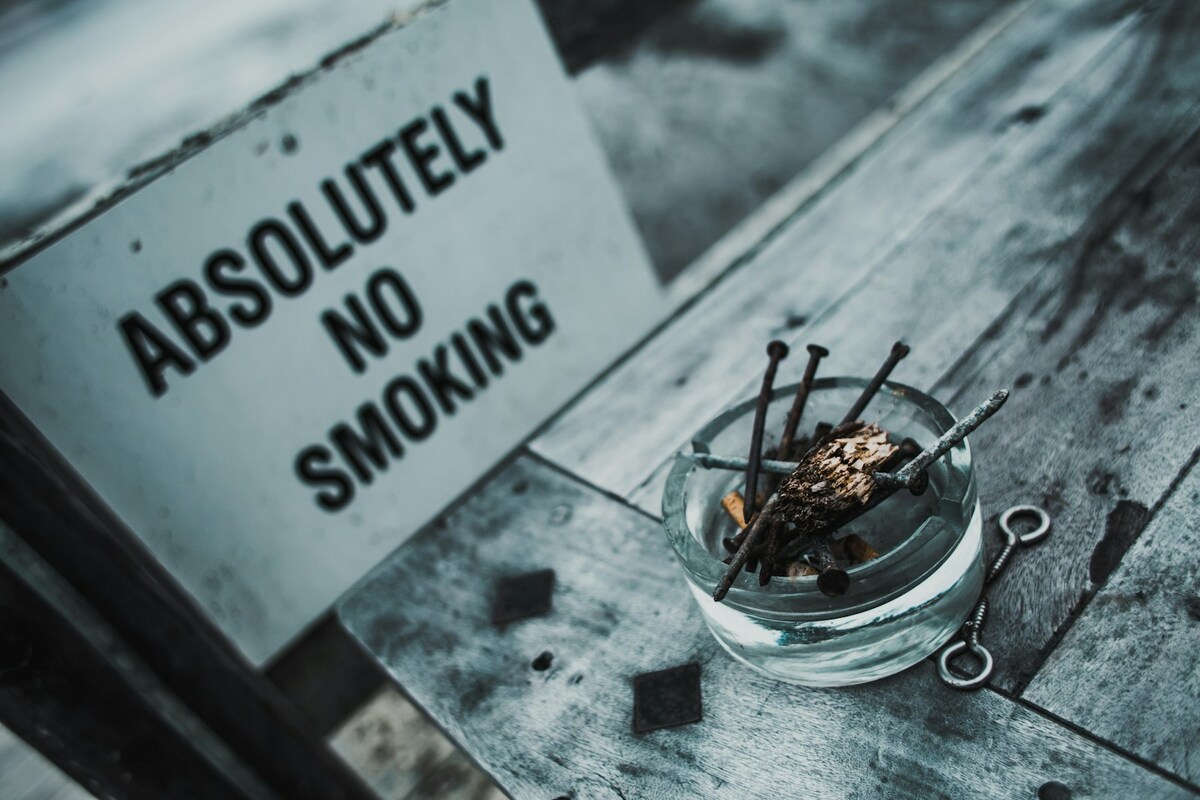
If you have been thinking about quitting smoking or vaping, you are in good company. Many people who use nicotine say they want to stop, and every year, a great many of them do. This Thursday is the American Cancer Society's Great American Smokeout, a day that encourages people to make a plan to quit, or to take the first step by quitting for just one day. It can be a helpful nudge, but any day you choose can be your day.
Quitting is rarely easy, and it is not a test of willpower. It is a skill you can learn and practice, with real tools and free support available to help. This guide walks through how to prepare, how to handle cravings, which treatments can improve your odds, what withdrawal feels like, and how quickly your body starts to benefit.
Why Quitting Is So Hard (and Why That Is Not a Personal Failing)
Nicotine addiction is powerful. Nicotine changes the way your brain responds to reward and stress, so your body comes to expect it. On top of the physical dependence, smoking and vaping become woven into daily routines: the morning coffee, the drive to work, the break with coworkers, the end of a long day.
That is why many people need several attempts before they quit for good. If you have tried before and started again, that experience is not wasted. Each attempt teaches you something about your triggers and what helps. A slip, such as a cigarette or a few puffs, is not a failure. It is a signal to look at what happened, adjust your plan, and keep going.
Set a Quit Date and Make a Plan
Having a plan makes quitting feel less overwhelming and more manageable. Start by choosing a quit date, ideally within the next couple of weeks, so you have time to prepare without losing momentum. Then use the days before it to get ready:
- Tell friends, family, or coworkers you trust, and ask for their support
- Remove cigarettes, vapes, lighters, pods, and ashtrays from your home, car, and workplace
- Talk with a provider about medicines that can help, so you have them ready on day one
- Stock up on things to keep your hands and mouth busy, like sugar-free gum, crunchy vegetables, or a stress ball
- Sign up for free support, such as a quitline or a text-message program
Know your triggers
Triggers are the people, places, feelings, and routines that make you want to smoke or vape. Common ones include stress, boredom, alcohol, coffee, driving, finishing a meal, and being around others who use nicotine. For a few days before your quit date, notice when your urges show up. Once you know your triggers, you can plan to avoid some of them and change your routine around others, such as taking a walk after meals instead of stepping outside for a cigarette.
How to Handle Cravings in the Moment
Cravings can feel intense, but they typically peak and pass within minutes. You do not have to fight them forever, only long enough for the wave to crest and fade. Having a few go-to strategies makes that much easier:
- Delay: Tell yourself you will wait just a few more minutes. Often the urge fades before the time is up.
- Breathe deeply: Take slow, deep breaths, letting each exhale be a little longer than the inhale.
- Drink water: Sipping a glass of water slowly gives you something to do and can take the edge off.
- Keep your hands busy: Try a pen, a fidget toy, a quick chore, or texting a friend.
- Change your setting: Step into a different room, go for a short walk, or head somewhere smoking and vaping are not allowed.
Over time, cravings usually become less frequent and less intense. Each one you get through is a small win worth recognizing.
Medicines and Support That Improve Your Odds
You do not have to rely on willpower alone. There are FDA-approved medicines for quitting, and research shows that combining counseling and medication improves the odds of success compared with using either one alone. If you are not sure where to begin, reach out to the Vital 110 team and we can help you explore your options.
Nicotine replacement therapy
Nicotine replacement therapy (NRT) gives your body a controlled amount of nicotine without the smoke or vapor, which helps ease withdrawal and cravings while you break the habit. It comes in several forms, including the patch, gum, and lozenge, along with other options. Some people use a combination, such as a patch for steady support plus gum or a lozenge for sudden cravings. Many forms are available without a prescription, but it is a good idea to ask a provider or pharmacist which options fit you best.
Prescription medicines
Prescription options such as varenicline and bupropion work differently from NRT and can reduce cravings and withdrawal symptoms. They are not right for everyone, so talk with a provider about your health history and any other medicines you take.
Free help is available
Support makes a real difference, and much of it costs nothing:
- 1-800-QUIT-NOW: This free quitline connects you with trained coaches who can help you build a plan and stay on track.
- Smokefree.gov: This site offers practical tools, tips, and apps, including free text-message programs for people quitting smoking or vaping.
What If You Vape?
E-cigarettes usually contain nicotine, which is addictive, and many people find vaping just as hard to stop as smoking. Vapes can be used almost anywhere and at any time, which can make the habit feel constant and harder to notice.
The good news is that the same strategies apply. Set a quit date, learn your triggers, plan for cravings, and use support. Smokefree.gov includes resources specifically for people who want to quit vaping, and a provider can talk with you about whether medicines might help.
What Withdrawal Feels Like and How Long It Lasts
When you stop using nicotine, your body needs time to adjust. Withdrawal symptoms are uncomfortable, but they are temporary and a sign that your body is recovering. Common symptoms include:
- Irritability or a short temper
- Trouble concentrating
- Restlessness
- Increased appetite
- Strong cravings
For most people, withdrawal is usually worst in the first week or two and then eases. Medicines, regular movement, good sleep, and healthy snacks can all help you through. If you notice significant changes in your mood, such as feeling depressed or hopeless, talk with your provider. If you are ever in crisis or thinking about harming yourself, call or text 988 to reach the 988 Suicide and Crisis Lifeline, and call 911 in an emergency.
How Your Body Starts to Recover
One of the most motivating things about quitting is how quickly the benefits begin. Within hours to a day, your heart rate and carbon monoxide levels start to improve. Over the following weeks to months, circulation and breathing tend to get better, and many people notice they have more energy and can taste and smell food more fully. Over the following years, your risk of heart disease drops substantially.
It is never too late to quit. No matter how long you have smoked or vaped, stopping gives your body a chance to heal.
The Bottom Line
Quitting smoking or vaping is one of the most important things you can do for your health, and it is absolutely possible, even if it takes more than one try. Set a quit date, know your triggers, have a plan for cravings, and do not go it alone. FDA-approved medicines, counseling, and free resources like 1-800-QUIT-NOW and smokefree.gov can make a real difference. Your body begins to recover almost right away, and every smoke-free or vape-free day counts.
Have questions about your health or want to talk with a provider? Contact the Vital 110 team to get started. Vital 110 is a healthcare initiative from Health Compass Inc., dedicated to making everyday health more accessible.
‹ Back
Recent Posts
-
Ready to Quit? A Practical Guide to Stopping Smoking or Vaping for Good
November 16, 2026
-

-
-

-