

Mindful Thanksgiving: How to Enjoy the Feast Without the Food Coma
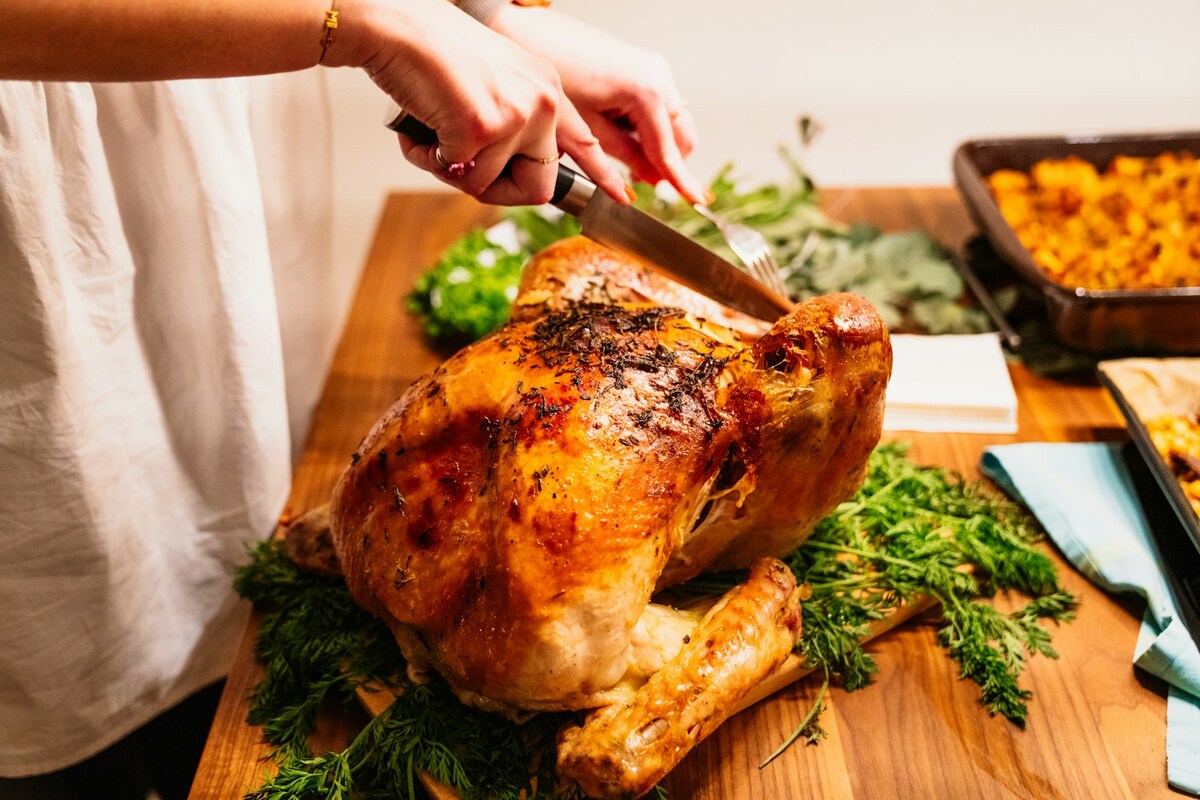
Thanksgiving is just days away, and for many of us it is one of the most anticipated meals of the year. The turkey, the stuffing, grandma's sweet potatoes, the pie you only get once a year: it is food tied to family, tradition, and gratitude. It is also a meal that can leave you feeling stuffed, sluggish, and ready for a nap on the couch.
The good news is that you do not have to choose between enjoying the feast and feeling good afterward. A mindful approach is not about dieting, skipping your favorites, or feeling guilty. It is about paying attention, savoring what you love, and making a few small choices that help you walk away from the table satisfied rather than uncomfortable. Here is how to do it, along with some food safety basics for the big day.
Do Not Skip Meals to "Save Room"
It is a common strategy: skip breakfast and lunch so you can eat more at dinner. Unfortunately, it tends to backfire. When you arrive at the table very hungry, it is much harder to slow down, notice when you are full, and make choices you feel good about. Many people end up eating faster and more than they intended.
Instead, eat a normal breakfast that includes some protein, such as eggs, Greek yogurt, or a nut butter on whole-grain toast. If your holiday meal is later in the day, have a light snack a few hours before, like a piece of fruit with a handful of nuts. Arriving comfortably hungry, rather than ravenous, sets you up to enjoy the meal.
Build Your Plate With Intention
A holiday spread can be overwhelming, and it is easy to take a spoonful of everything simply because it is there. A little planning helps you focus on what you truly love.
Survey the spread first
Before you pick up a plate, take a lap around the table. Notice what is there and decide which dishes you are most excited about. If a certain dish only appears once a year and you look forward to it, enjoy it. If something is available any day of the week and you are only lukewarm about it, you can skip it without missing out.
Simple plate strategies
- Use a smaller plate, which naturally encourages reasonable portions
- Start with vegetables and salads, filling part of your plate with them first
- Take smaller portions of rich dishes so you have room to taste several favorites
- Wait a bit before going back for seconds, and check in with how hungry you still are
- Save room for the dessert you really want, rather than sampling every pie out of habit
Bring a nourishing dish
If you are a guest, offer to bring a dish you know you will enjoy that also adds some balance to the table, such as a colorful roasted vegetable tray, a hearty salad, or a bean dish. Your host will appreciate the help, and you will know there is at least one lighter option you love.
Slow Down and Savor Every Bite
Eating slowly is one of the simplest ways to enjoy your meal more and avoid overeating. It takes time for your body to register fullness, so pacing yourself gives those signals a chance to catch up.
Put your fork down between bites, pause to talk with the people around you, and pay attention to the flavors and textures on your plate. Holiday meals are about connection as much as food, so let the conversation set the pace.
Just as important, let go of guilt. You do not need to "earn" your Thanksgiving meal with an extra-long workout, and you do not need to punish yourself for enjoying it. One meal will not undo your health habits. Food is part of celebrating, and eating with enjoyment rather than guilt tends to lead to a more balanced relationship with it over time. If holiday eating tends to feel stressful for you, or you would like guidance that fits your health needs, reach out to the Vital 110 team.
The Truth About Turkey and That Sleepy Feeling
You have probably heard that turkey makes you sleepy because it contains tryptophan, an amino acid your body uses to make serotonin and melatonin. It is a popular explanation, but it does not really hold up. Turkey is not uniquely sleep-inducing; many common foods contain similar amounts of tryptophan.
The post-meal slump has more to do with the meal as a whole. A few things tend to contribute:
- A very large meal, which takes a lot of work for your body to digest
- Lots of refined carbohydrates, such as rolls, stuffing, and sweets
- Alcohol, which can add to drowsiness
- A busy, early start to the day, plus travel and cooking
So if you want to avoid the food coma, focus on moderate portions and balance rather than blaming the bird.
Sip Smart and Get Moving After the Meal
If you drink alcohol, alternate each drink with a glass of water or sparkling water. It helps you stay hydrated, slows your pace, and can keep you feeling better that evening and the next morning.
After the meal, try a walk instead of heading straight to the couch. Even a short, easy stroll can help you feel less sluggish and more comfortable. Consider starting a family walk tradition: a lap around the neighborhood between dinner and dessert, or a stroll before the football game. It is a nice way to spend time together, get some fresh air, and give everyone a chance to settle.
Tips if You Are Managing Diabetes or a Heart Condition
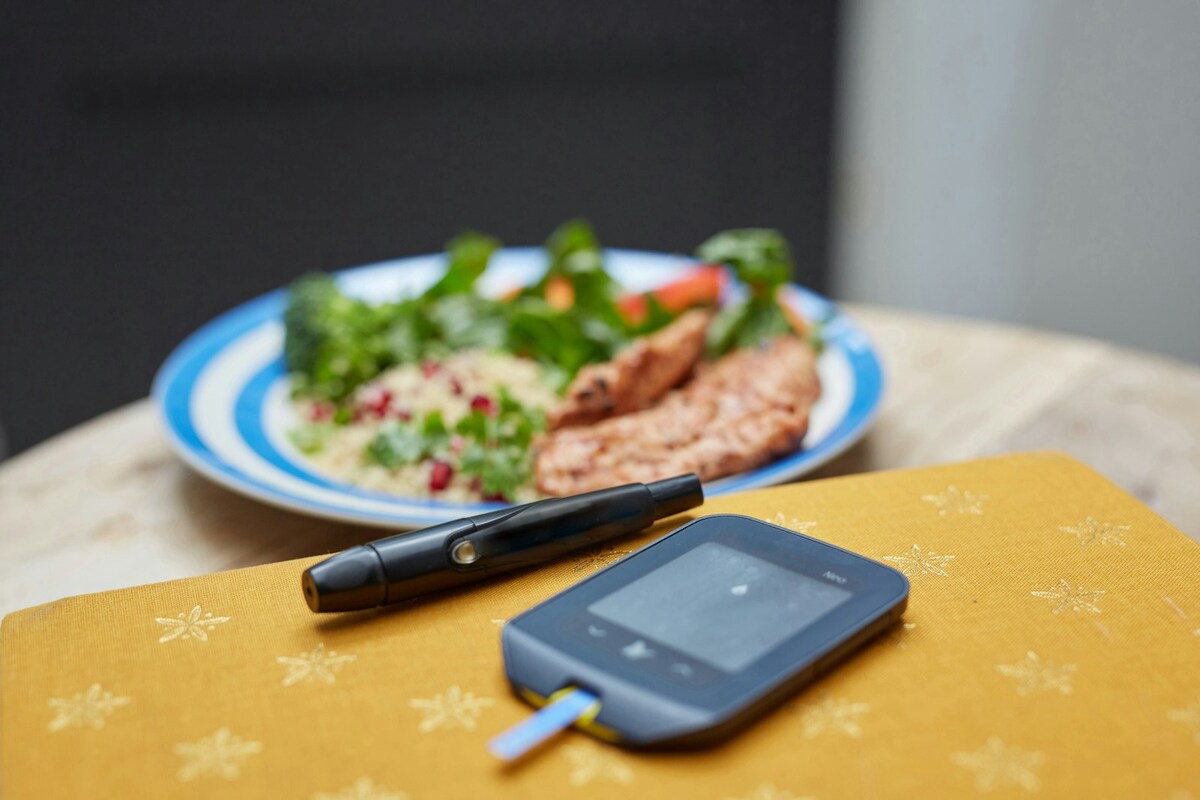
Holiday meals can take a little extra planning if you are managing diabetes, high blood pressure, or heart disease. A few strategies can help you enjoy the day while staying on track:
- Keep your usual meal and medication schedule as much as possible, and take any medicines as prescribed
- If you check your blood sugar, keep doing so, and follow the plan you have worked out with your care team
- Balance your plate with vegetables and protein, and choose smaller servings of starchy sides and desserts
- Go easy on salty foods like gravy, ham, and processed snacks, which can affect blood pressure
- Be thoughtful about alcohol, which can affect blood sugar and interact with some medications
- Take that after-dinner walk, which can help with blood sugar after a big meal
If you have questions about how to handle holiday eating with a health condition, talk with your provider or care team before the big day. If you or a guest ever has symptoms like chest pain or pressure, trouble breathing, or sudden weakness, call 911 right away.
Food Safety: Handling the Turkey and Leftovers
A mindful Thanksgiving includes keeping everyone safe from foodborne illness. The USDA offers a few key guidelines:
- Thaw in the refrigerator: Allow about 24 hours for every 4 to 5 pounds of turkey, so a large bird may need several days. Plan ahead.
- Cook it thoroughly: Cook your turkey to an internal temperature of 165°F. Check it with a food thermometer in the thickest part of the meat, since color alone is not a reliable guide.
- Refrigerate leftovers promptly: Get leftovers into the refrigerator within 2 hours of serving.
- Use leftovers in time: Eat them within 3 to 4 days, or freeze them for later.
Washing your hands often and keeping raw turkey away from ready-to-eat foods also go a long way.
The Bottom Line
You can enjoy every part of Thanksgiving without the uncomfortable food coma. Eat a normal breakfast, survey the spread, choose your favorites, start with vegetables, and slow down. Let go of guilt, alternate alcohol with water, and take a walk after the meal. Handle the turkey and leftovers safely, and if you are managing a health condition, plan ahead with your care team. Most of all, savor the food and the people around the table.
Have questions about your health or want to talk with a provider? Contact the Vital 110 team to get started. Vital 110 is a healthcare initiative from Health Compass Inc., dedicated to making everyday health more accessible.
‹ Back
Recent Posts
-
Mindful Thanksgiving: How to Enjoy the Feast Without the Food Coma
November 23, 2026
-
Ready to Quit? A Practical Guide to Stopping Smoking or Vaping for Good
November 16, 2026
-
-
-